





What's Happening?
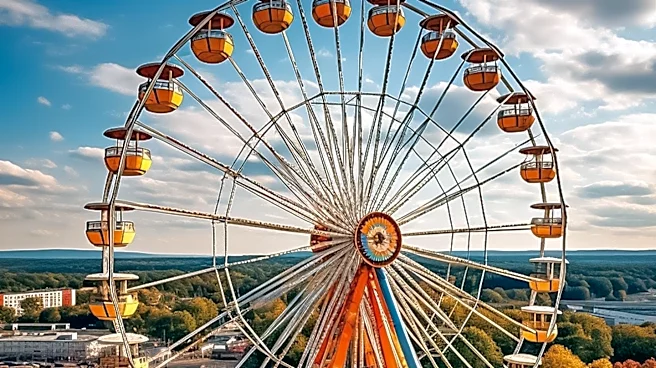
The Wisconsin State Fair concluded with multiple disturbances, including fights and seven arrests, on its final night. According to a statement from the State Fair, one police officer sustained non-serious injuries after being hit during the incidents.
Despite initial reports, the Fair clarified that no gunshots were fired. Police responded to the altercations and to unauthorized individuals attempting to enter the fairgrounds. The Wisconsin State Fair stated that for 11 days, the event was safe, with the disturbances isolated to the closing hours. Security measures in place included State Fair Police, additional officers from Milwaukee, West Allis, and Wisconsin State troopers, as well as mounted patrols, bike patrols, and drones. The Fair's policies prohibit individuals under 17 from entering after noon without an adult aged 21 or over, and chaperones are limited to bringing in six minors.
Why It's Important?
The incidents at the Wisconsin State Fair highlight the challenges faced by large public events in maintaining safety and order, particularly during peak attendance times. The need for extensive security measures, including multiple law enforcement agencies and advanced surveillance technology like drones, underscores the evolving landscape of public safety management. While the Fair emphasized that the disturbances were isolated, such events can impact public perception of safety at large gatherings, potentially affecting future attendance and the economic viability of similar events. The clarification regarding no gunshots is crucial, as misinformation can quickly escalate public fear and misrepresent the actual threat level. The incident also brings into focus the effectiveness of existing policies regarding minor attendance and chaperone ratios, prompting a review of security protocols to prevent future occurrences and ensure a safe environment for all attendees.
What's Next?
The Wisconsin State Fair will conduct a thorough review of its security plans in collaboration with its law enforcement partners. This review will likely assess the effectiveness of current measures, identify areas for improvement, and potentially lead to adjustments in security protocols for future events. This could include re-evaluating entry policies, increasing security personnel, or implementing new technologies to manage crowd control and prevent unauthorized entry. There may also be discussions about public communication strategies to address misinformation quickly and accurately during incidents. The legal proceedings for the seven individuals arrested will follow, providing further details on the nature of the disturbances. The broader community and event organizers will be observing these developments to learn from the incident and apply best practices to ensure the safety and enjoyment of future public gatherings.
Beyond the Headlines
Beyond the immediate security concerns, the disturbances at the Wisconsin State Fair touch upon broader societal issues related to public behavior, youth engagement, and the challenges of managing large crowds in a diverse urban environment. The incidents could spark conversations about the role of community engagement, parental responsibility, and educational initiatives in fostering respectful conduct at public events. The reliance on extensive law enforcement presence and surveillance technologies also raises questions about privacy and the balance between security and individual freedoms in public spaces. Furthermore, the economic impact of such incidents, both in terms of potential revenue loss from decreased attendance and increased security costs, could influence how future public events are planned and funded. This event serves as a microcosm of the complex interplay between public safety, community values, and the evolving dynamics of large-scale social gatherings.