




What's Happening?
The American Farm Bureau Federation is actively addressing growing consumer concerns regarding modern agricultural practices, particularly the use of pesticides and the overall safety and healthfulness of food. A movement, referred to as 'MAHA,' has influenced
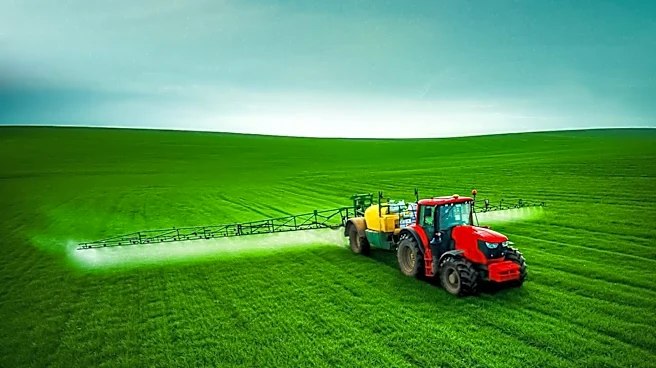
public perception, leading many Americans to question how their food is grown and processed. Despite these concerns, trust in farmers and ranchers remains high. Research by the American Farm Bureau and Morning Consult indicates that 7 out of 10 Americans are concerned about pesticide use in agriculture, with similar levels of concern reported by Pew Research regarding 'harmful chemicals' on farmland and in food. The organization emphasizes that farmers are committed to prioritizing both safety and affordability through innovation, strict regulation, extensive research, and careful stewardship. They aim to bridge the gap between consumers and agricultural practices by fostering transparent conversations and leveraging the existing trust in farmers.
Why It's Important?
This initiative is crucial for the U.S. agricultural industry as it directly tackles consumer skepticism that could impact demand and policy. The high level of trust in farmers presents a unique opportunity to educate the public on modern farming techniques, including the safe and regulated use of pesticides. Misinformation, if left unaddressed, could lead to increased pressure for restrictive regulations, higher production costs, and potentially affect the affordability and availability of food. By engaging in open dialogue, farmers can reinforce their commitment to sustainable and safe practices, ensuring continued public support and a stable market for agricultural products. This effort also highlights the importance of clear communication in an era where consumers are increasingly disconnected from food production processes.
What's Next?
Farmers and agricultural organizations are encouraged to engage thoughtfully with consumers, leveraging their high level of trust. The American Farm Bureau suggests that conversations should focus on shared values, such as health and affordability, and be backed by science-based messaging. They plan to continue providing information on how pesticides are used safely and how various agricultural practices contribute to soil health and environmental sustainability. The goal is to reassure consumers about the safety and nutritional value of non-organic produce and to explain the role of independent research and regulatory bodies like the Environmental Protection Agency. This ongoing dialogue is expected to help shape consumer perceptions and potentially influence future agricultural policies and market trends.
Beyond the Headlines
The underlying challenge extends beyond specific farming practices to a broader societal shift where a significant portion of the population is far removed from agricultural production. This distance creates a vacuum that can be filled by misinformation, leading to anxieties about food safety and health. The 'MAHA' movement, while not explicitly defined, appears to represent a trend towards questioning established norms in food production. The agricultural sector's response highlights a critical need for continuous education and transparency to maintain public confidence. This situation also underscores the ethical dimension of food production, where the balance between efficiency, affordability, and perceived health benefits must be carefully managed to ensure both consumer well-being and the economic viability of farming.