

What's Happening?
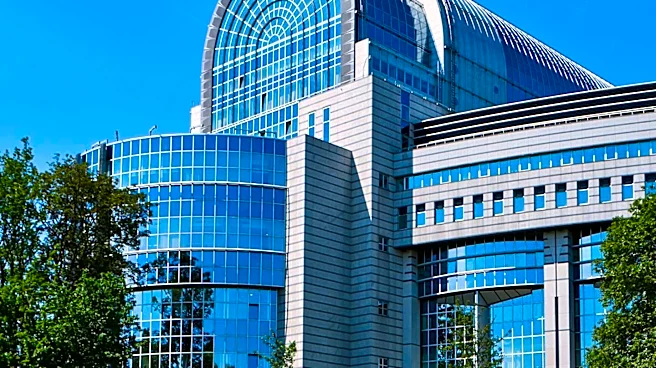
Female members of the Ukrainian Parliament are advocating for Ukrainian parliamentarians to be granted observer status in the European Parliament. This proposal, put forth by Deputy Chairperson of the Ukrainian Parliament Olena Kondratiuk during a meeting
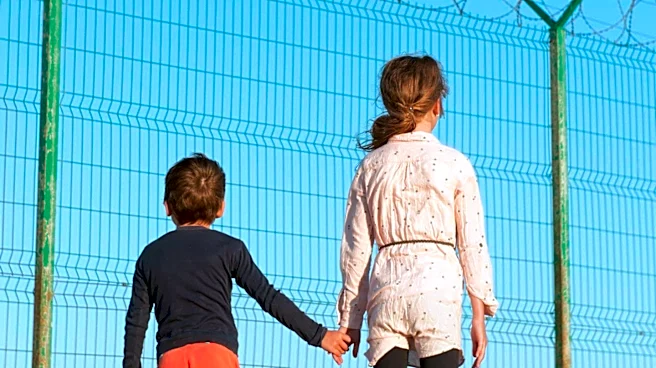
with European Parliament President Roberta Metsola in Brussels, aims to facilitate Ukraine's gradual integration into the European Union even before full membership is achieved. Additionally, the Ukrainian delegation proposed establishing a representative office of the Verkhovna Rada (Ukrainian Parliament) at the European Parliament to ensure ongoing cooperation between the two legislative bodies. The proposals also include the creation of a special sanctions committee within the European Parliament to address loopholes allowing Russia to obtain technology and resources for the war, and to harmonize sanctions against individuals and organizations involved in the deportation and militarization of Ukrainian children. Furthermore, the delegation requested stable funding for the Special Tribunal on the Crime of Aggression against Ukraine and urged the European Parliament to initiate a debate and resolution on the crimes of indoctrination and militarization of Ukrainian children.
Why It's Important?
This initiative is significant as it represents a concrete step towards strengthening Ukraine's ties with the European Union amidst ongoing conflict. Granting observer status would provide Ukrainian MPs with a direct platform to engage with EU legislative processes, offering valuable insights and fostering closer political alignment. The establishment of a Verkhovna Rada representative office would institutionalize this cooperation, ensuring a continuous dialogue and facilitating the exchange of information and expertise. The proposed special sanctions committee highlights the critical need for more robust and harmonized international efforts to counter Russia's war efforts and hold accountable those responsible for war crimes, particularly against children. Stable funding for the Special Tribunal on the Crime of Aggression against Ukraine is crucial for ensuring justice and accountability for atrocities committed during the conflict, reinforcing international legal norms and deterring future aggression. These measures collectively underscore the EU's commitment to supporting Ukraine's sovereignty and its European aspirations, while also addressing pressing humanitarian and legal challenges.
What's Next?
The proposals put forward by the Ukrainian parliamentary delegation will now be considered by European Parliament President Roberta Metsola and other relevant EU bodies. The process of granting observer status and establishing a representative office would likely involve further discussions and formal procedures within the European Parliament. The creation of a special sanctions committee would require political consensus and legislative action from EU member states. Similarly, securing stable funding for the Special Tribunal on the Crime of Aggression against Ukraine would necessitate commitments from EU institutions and member states. The European Parliament is expected to deliberate on the request for a debate and resolution concerning the indoctrination and militarization of Ukrainian children, which could lead to increased international pressure and targeted actions. The ongoing dialogue between Ukrainian and European parliamentarians, as part of the European Parliament's Women Empowerment Program, will continue to shape these discussions and potential future actions.
Beyond the Headlines
Beyond the immediate political and legislative implications, these proposals reflect a deeper commitment to integrating Ukraine into the European political and legal framework. The emphasis on harmonizing sanctions and addressing war crimes against children highlights the evolving nature of international law and the increasing focus on accountability for human rights violations during armed conflicts. The initiative also underscores the role of parliamentary diplomacy in fostering international solidarity and cooperation, particularly in times of crisis. By seeking observer status and a permanent representative office, Ukraine is not only pursuing practical integration but also symbolically asserting its European identity and aspirations. This move could set a precedent for other countries seeking closer ties with the EU, demonstrating a pathway for engagement short of full membership. The focus on children's rights and the establishment of a special tribunal also points to a growing international resolve to address the long-term consequences of conflict and ensure justice for the most vulnerable populations.