








What's Happening?
Israeli defense company ParaZero has secured its first order from a U.S. government entity for its DefendAir C-Drone system, marking its entry into the U.S. federal counter-drone market. The purchase includes DefendAir net launchers, Net Pods, and on-site
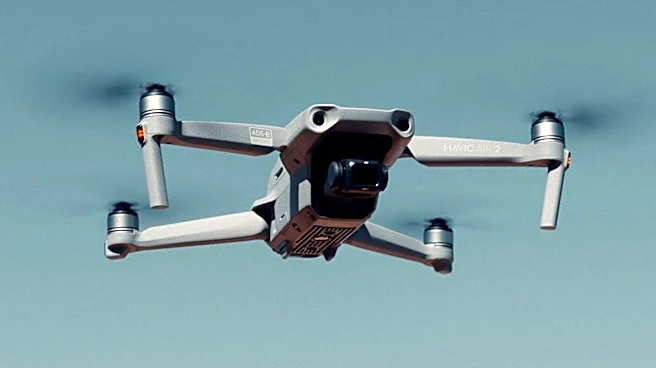
training for government operators. ParaZero did not disclose the specific customer or the value of the order. The company emphasized that its personnel will provide comprehensive training to ensure the system becomes an operational counter-drone capability rather than just equipment. This federal purchase follows a previous order from a U.S. defense contractor in June, which came after a live demonstration in Florida in May. ParaZero CEO Ariel Alon stated that this first U.S. government order reflects a broader international understanding that the drone threat is no longer theoretical, prompting a move towards practical solutions for protecting people, sensitive locations, and critical missions.
Why It's Important?
This order signifies a growing recognition within the U.S. government of the escalating threat posed by drones and the need for advanced counter-drone solutions. ParaZero's DefendAir system, which uses net-based physical interception rather than conventional weapons, offers a potentially safer method for neutralizing drones, especially in populated or sensitive areas where explosives or guns could cause additional damage. This approach could become a crucial component of a layered air defense strategy, complementing existing radar, radio-frequency, and electro-optical detection systems. The U.S. government's investment in this technology indicates a proactive stance against evolving aerial threats, which can range from surveillance to potential sabotage. This move could also stimulate further innovation and competition in the counter-drone market, as other companies seek to meet the increasing demand for effective and safe drone mitigation technologies.
What's Next?
ParaZero personnel will proceed with training the U.S. government operators on system familiarization, deployment, and hands-on use of the DefendAir system. This training is crucial for integrating the new technology effectively into existing security protocols. The successful implementation and performance of this initial order could lead to further contracts and broader adoption of ParaZero's technology within various U.S. government agencies. The company is also building its presence in the U.S. market, suggesting potential for more partnerships with defense contractors and other entities. As the drone threat continues to evolve, the U.S. government will likely continue to explore and invest in a diverse range of counter-drone solutions to enhance national security and protect critical infrastructure. This order could also influence other nations to consider similar non-lethal counter-drone technologies.
Beyond the Headlines
The adoption of net-based counter-drone technology by the U.S. government highlights a shift in defense strategies towards non-kinetic and less destructive methods for neutralizing aerial threats. This approach addresses not only the immediate danger posed by drones but also the collateral risks associated with traditional interception methods, such as falling debris or unintended explosions. The increasing sophistication of drone technology, coupled with its accessibility, presents complex ethical and legal challenges regarding airspace control, privacy, and the use of force. ParaZero's solution offers a pragmatic way to mitigate these risks, emphasizing containment over destruction. This development could also spur a broader discussion on international regulations for drone usage and counter-drone measures, aiming to establish norms that balance security needs with civil liberties and environmental concerns. The integration of such systems reflects a proactive adaptation to the changing landscape of modern security threats.