







What's Happening?
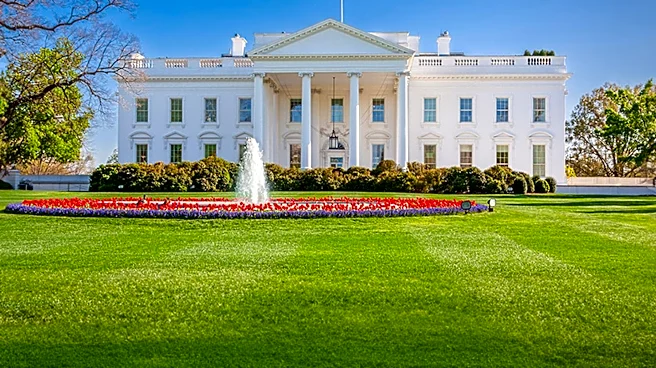
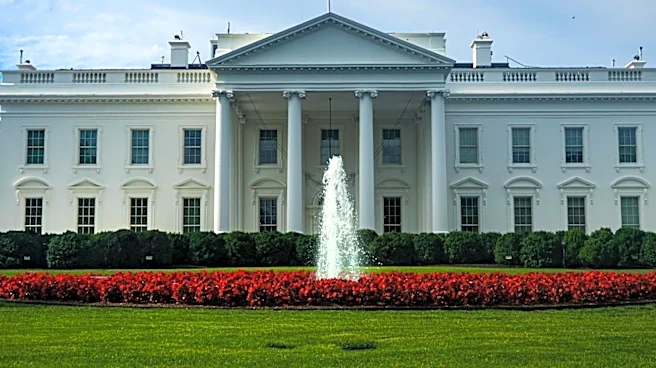
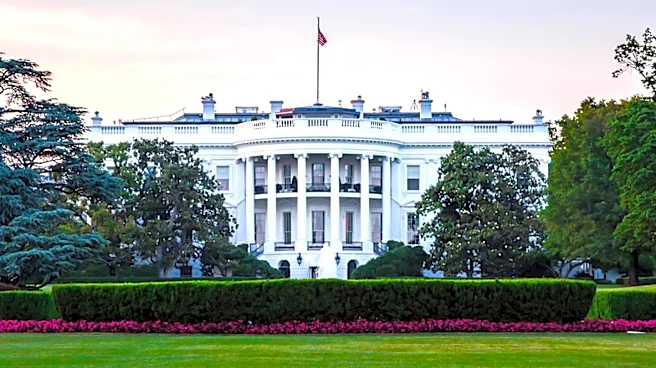
The White House has expressed frustration with the media following a discrepancy in President Trump's claim regarding Walmart's price reductions. President Trump announced that Walmart would lower prices on various products, including a 15% reduction on ground
beef, at his administration's request. This announcement was intended to celebrate the United States' 250th birthday. However, Walmart confirmed that the price cuts were already planned and had been implemented before any communication with the Trump administration. The Wall Street Journal reported that an Agriculture Department official had contacted Walmart and other grocers to encourage price reductions, but Walmart had already initiated these cuts independently. The White House, through spokesperson Kush Desai, accused the media of having a 'pathological' need to undermine positive news related to President Trump.
Why It's Important?
This situation highlights the ongoing tension between the White House and the media, particularly regarding narratives that involve President Trump. The administration's attempt to claim credit for Walmart's price cuts reflects broader political strategies to associate economic improvements with government actions. The media's role in fact-checking and reporting discrepancies is crucial in maintaining transparency and accountability. For consumers, the price reductions at Walmart are significant, as they address concerns over high food costs. However, the political narrative surrounding these cuts may influence public perception of the administration's economic policies and effectiveness.
What's Next?
The White House may continue to promote its economic strategies and attempt to align them with positive market developments. Meanwhile, media outlets are likely to persist in scrutinizing such claims, potentially leading to further confrontations. Walmart and other retailers might face increased public and governmental attention regarding their pricing strategies, especially in the context of economic pressures on consumers. The administration's response to media coverage could also shape future communications and public relations strategies.