





What's Happening?
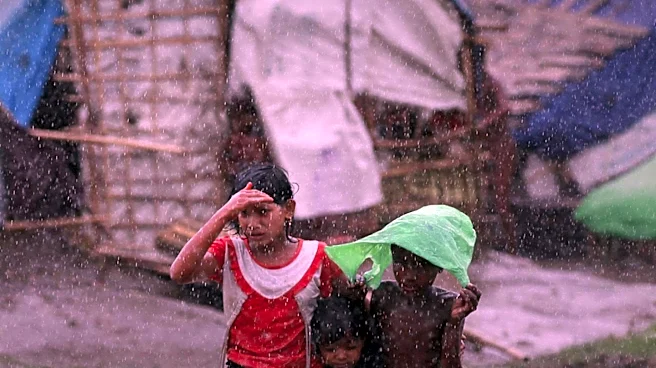
The World Food Programme (WFP) in Uganda is actively seeking cooperating partners to implement food assistance and nutrition interventions in the Nakivale and Oruchinga refugee settlements. This initiative aims to support food-insecure refugees, asylum
seekers, and vulnerable host communities through a combination of cash and in-kind food assistance, nutrition-sensitive programming, and social and behavior change communication. The program is part of WFP's broader efforts under the Comprehensive Refugee Response Framework (CRRF) to provide both emergency and long-term support to these communities. The focus is on improving food security, preventing malnutrition, and promoting socio-economic empowerment among the target populations, which include children under five, pregnant women, and breastfeeding women.
Why It's Important?
This initiative is crucial as it addresses the immediate food and nutrition needs of some of the most vulnerable populations in Uganda, including refugees and host communities. By providing both emergency food assistance and longer-term resilience-building support, the program aims to reduce food insecurity and improve nutritional outcomes. The integration of cash-based transfers and in-kind food assistance allows for flexibility in meeting the diverse needs of beneficiaries. Additionally, the program's focus on linking beneficiaries to financial and livelihood opportunities can help foster greater self-reliance and economic resilience, which are essential for reducing dependency on aid and improving overall quality of life.
What's Next?
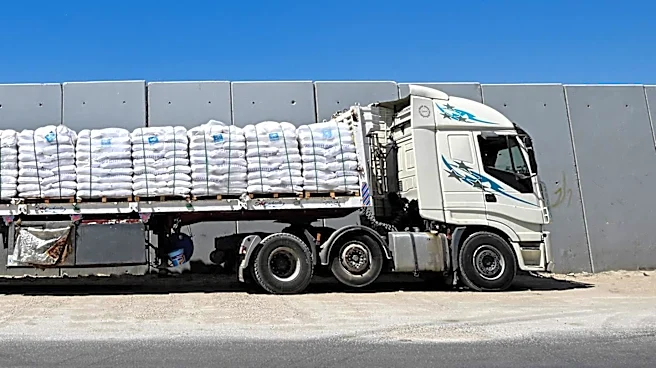
The WFP is calling for organizations with relevant humanitarian experience and capacity to apply as cooperating partners. These partners will be responsible for implementing the program's various components, including food distribution, nutrition interventions, and community engagement activities. The deadline for applications is August 20, 2026. Successful applicants will work closely with WFP and local stakeholders to ensure effective delivery of assistance and to strengthen local systems for identifying and supporting vulnerable households. The program's success will depend on the ability of partners to effectively coordinate and integrate services to address the complex needs of the target populations.