



What's Happening?
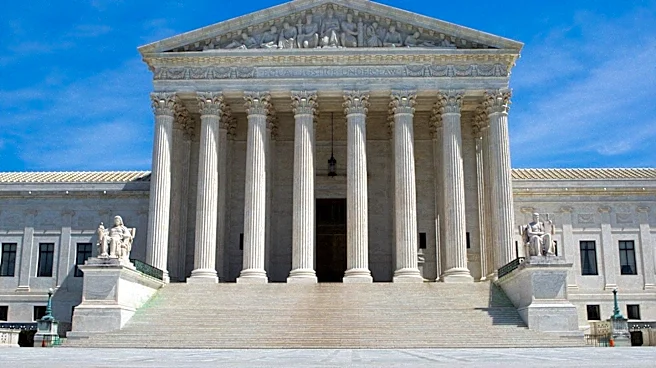
The U.S. Supreme Court's Republican appointees have significantly weakened federal campaign finance reform laws over several decades through rulings such as *Buckley v. Valeo*, *Citizens United*, and *National Republican Senatorial Committee v. Federal
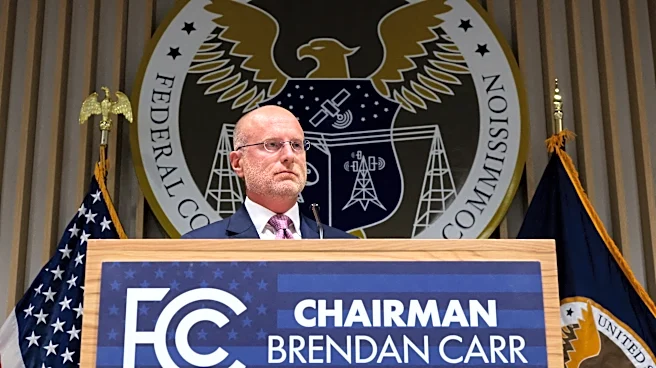
Election Commission*. These decisions have left limited protections against excessive campaign spending by wealthy interests, which critics argue allows them to unduly influence elections. While some campaign contribution limits remain, the court cases have created numerous avenues to circumvent these restrictions. Consequently, campaign finance disclosure has become one of the few remaining tools for voters to understand the sources and motivations behind significant financial contributions in election cycles. For instance, federal law treats primary and general elections as separate events, allowing a single contributor to donate up to $3,500 per election, totaling $7,000, which can be given in advance of the primary. Corporations are prohibited from direct contributions to federal candidates, but they can contribute through separate segregated funds (PACs). The Federal Election Commission (FEC) provides data for voters to track contributions, including itemized individual contributions, occupations, and employers of donors.
Why It's Important?
The erosion of federal campaign finance laws by Supreme Court decisions has profound implications for the integrity of U.S. elections and democratic processes. The increased influence of large financial contributions from powerful monied interests raises concerns about the fairness and equity of political contests. When significant funds can be channeled through various means, it can create an uneven playing field, potentially drowning out the voices of ordinary citizens and smaller campaigns. The reliance on disclosure as the primary safeguard means that voters must actively engage with complex financial data to make informed decisions, placing a greater burden on the electorate. This situation can lead to a perception that elections are 'bought,' undermining public trust in government and elected officials. Furthermore, the ability of corporations to contribute through PACs, despite direct prohibitions, highlights a persistent challenge in regulating the flow of money in politics and ensuring transparency.
What's Next?
Given the current legal landscape shaped by Supreme Court decisions, the focus for those concerned about campaign finance will likely remain on leveraging existing disclosure mechanisms and advocating for further transparency. Voters are encouraged to utilize resources like the Federal Election Commission (FEC) website to track campaign contributions and identify the sources of funding for candidates. Future efforts to reform campaign finance may involve pushing for stricter disclosure requirements, exploring constitutional amendments to address corporate and PAC spending, or advocating for legislative changes that can withstand judicial scrutiny. Additionally, there may be continued emphasis on grassroots movements and small-dollar donor initiatives to counterbalance the influence of large contributions. The ongoing debate over the role of money in politics is expected to continue, with advocates seeking innovative ways to ensure fair and transparent elections within the existing legal framework.
Beyond the Headlines
The long-term implications of weakened campaign finance laws extend beyond immediate election outcomes, touching upon fundamental aspects of American democracy. The increased financial leverage of powerful interests can lead to policy outcomes that favor donors over the broader public, potentially exacerbating economic inequality and social disparities. The ethical dimension of campaign finance centers on the question of whether financial contributions constitute free speech, as argued in some Supreme Court rulings, or if they represent a form of undue influence that distorts the democratic process. Culturally, the perception of money's pervasive role in politics can foster cynicism and disengagement among citizens, leading to lower voter turnout and a diminished sense of civic efficacy. Addressing these deeper implications requires a societal conversation about the values underpinning democratic participation and the appropriate balance between free speech and the need for equitable political representation.