
What's Happening?
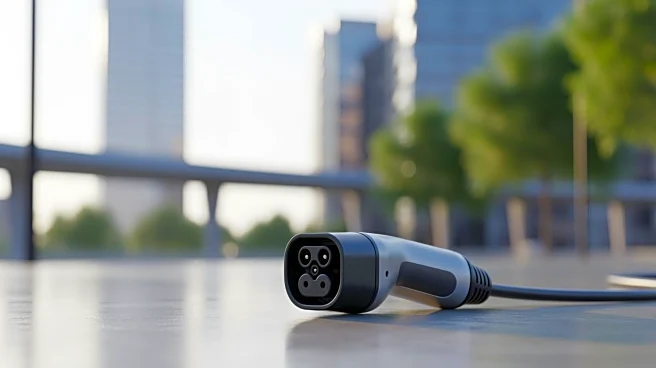
California has filed its 50th lawsuit against the Trump administration, challenging the suspension of federal funding for electric vehicle (EV) charging infrastructure. The lawsuit, filed in the U.S. District
Court for the Western District of Washington, claims that the U.S. Department of Transportation and the Federal Highway Administration have refused to approve new funding for two grant programs established under President Biden. These programs, the Charging and Fueling Infrastructure program and the Electric Vehicle Charger Reliability and Accessibility Accelerator program, were designed to expand and maintain EV charging networks. The lawsuit argues that the suspension violates the constitutional separation of powers, as the funding was approved by bipartisan majorities in Congress. California Attorney General Rob Bonta, along with attorneys general from other states, is seeking a court order to resume the processing of approximately $3 billion in funds.
Why It's Important?
The lawsuit underscores the ongoing conflict between state and federal governments over environmental and energy policies. California's push for expanded EV infrastructure is part of its broader strategy to combat climate change and reduce greenhouse gas emissions. The halted funding threatens to slow down the state's progress in building a comprehensive EV charging network, which is essential for supporting the growing number of electric vehicles on the road. The outcome of this legal battle could have significant implications for state-led environmental initiatives and the future of federal funding for clean energy projects. It also highlights the tension between state efforts to advance green technology and federal policies that may prioritize different energy strategies.
What's Next?
The court's decision on this lawsuit will be pivotal in determining the future of EV infrastructure funding in California and potentially other states. If the court rules in favor of California, it could lead to the resumption of funding and accelerate the development of EV charging networks. Conversely, a ruling in favor of the Trump administration could set a precedent for federal control over state-led environmental initiatives. The case may also influence future legislative efforts to secure funding for clean energy projects, as states may seek to protect their interests against federal policy shifts.