




What's Happening?
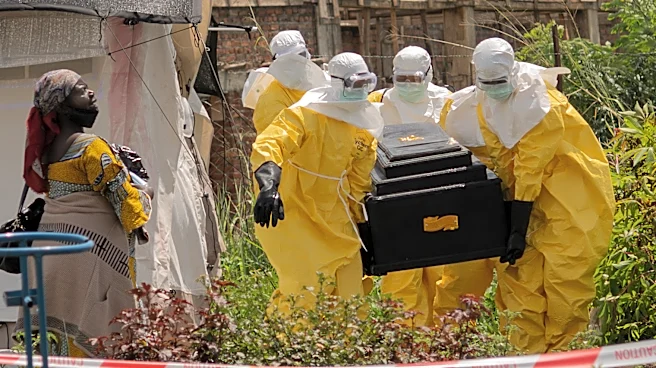
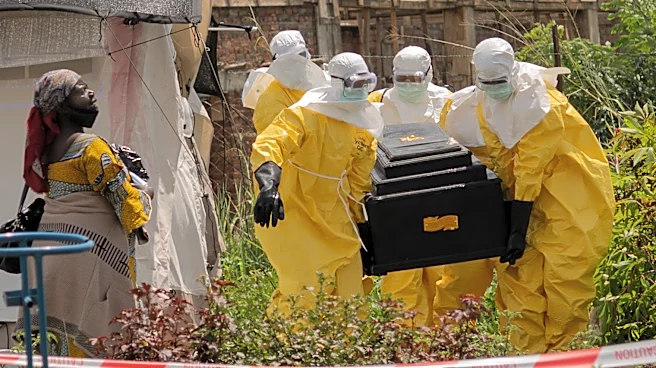
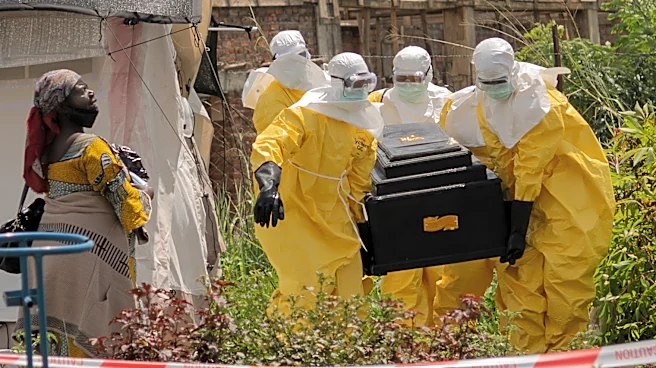
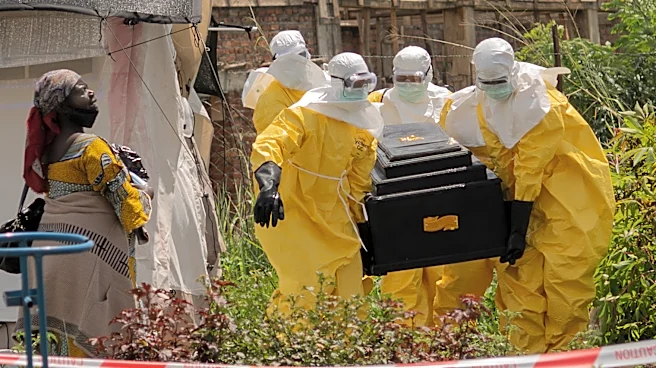
The World Health Organization (WHO) has raised the Ebola risk level in the Democratic Republic of the Congo to 'very high' due to the rapid spread of the disease in conflict-hit regions. The outbreak has resulted in 82 confirmed cases and seven deaths.
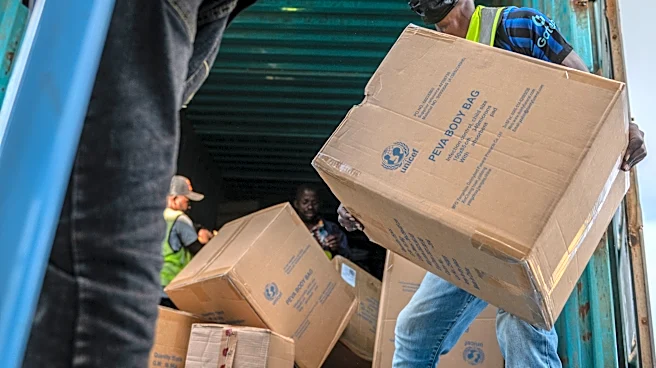
The WHO declared it a global health emergency and emphasized the need for humanitarian access and solidarity over travel restrictions. The United Nations has released $60 million to address the crisis, but officials stress the importance of investing in disease prevention. The precarious security situation in Congo's Ituri and North Kivu provinces poses significant challenges for health workers.
Why It's Important?
The escalating Ebola outbreak in Congo highlights the critical need for effective disease prevention and response strategies. The conflict in the region complicates efforts to contain the virus, putting both local and global health at risk. The WHO's call for increased funding and focus on prevention underscores the necessity of proactive measures to manage infectious diseases. The situation also raises concerns about the adequacy of current global health infrastructure and the ability to respond to health emergencies in conflict zones.
What's Next?
The WHO plans to test the antiviral drug Obeldesivir against the Bundibugyo virus, which is driving the current outbreak. However, the timeline for testing remains uncertain. Health authorities are actively searching for cases and isolating contacts to disrupt transmission. The international community is urged to contribute resources and support to contain the outbreak. The ongoing conflict in the region may continue to hinder response efforts, necessitating a coordinated approach to ensure the safety of health workers and the effectiveness of containment measures.
Beyond the Headlines
The Ebola outbreak in Congo illustrates the complex interplay between health emergencies and geopolitical factors. The conflict in the region exacerbates the challenges of disease containment, highlighting the need for integrated approaches that address both health and security concerns. The situation also reflects broader issues of global health equity, as resource constraints and political instability disproportionately affect vulnerable populations. The outbreak serves as a reminder of the interconnectedness of global health and the importance of international cooperation in addressing health crises.