

What's Happening?
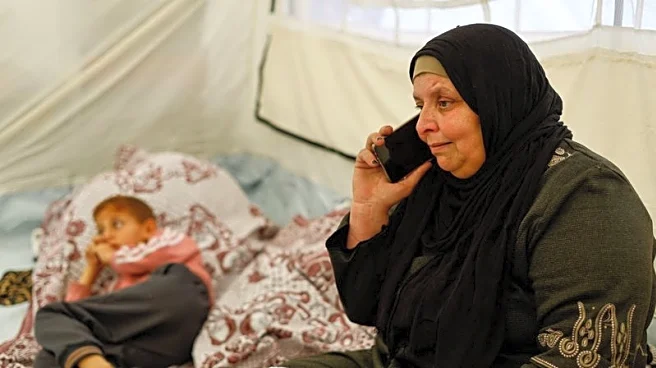
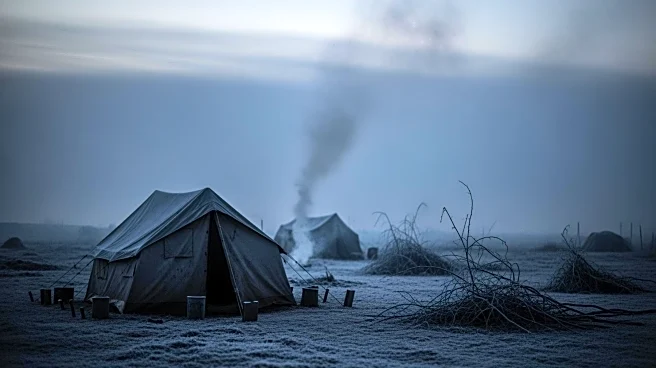
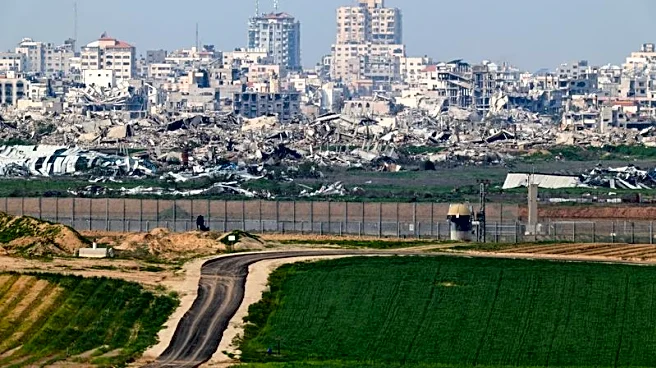
A tragic incident in Gaza has highlighted the severe humanitarian crisis facing the region. A grandmother and her 5-year-old grandson perished in a tent fire at the Yarmouk displacement camp. The fire, reportedly caused by cooking, underscores the perilous
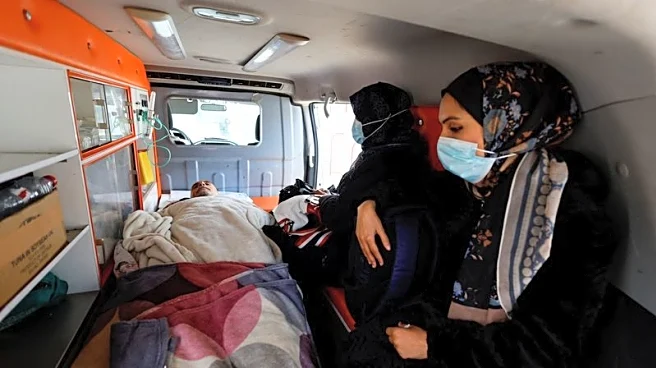
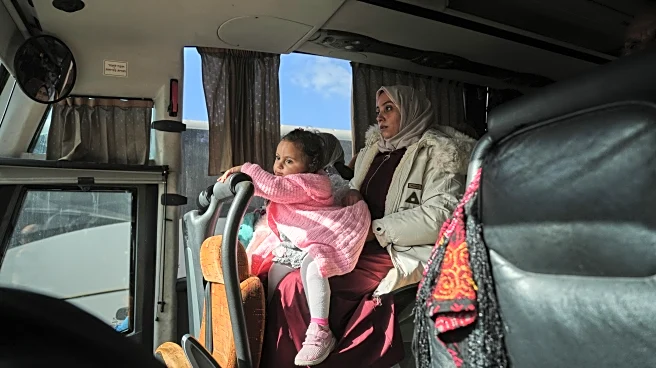
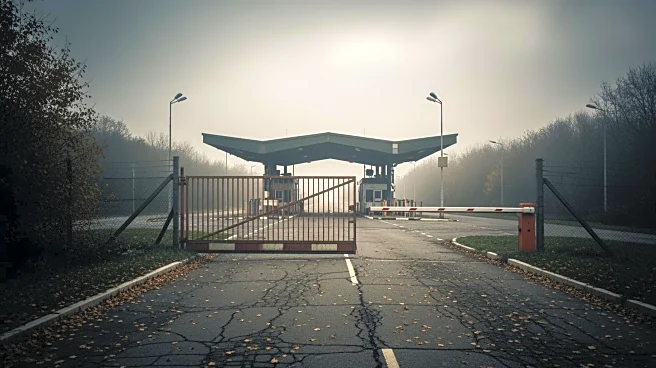
living conditions for thousands of Palestinians enduring harsh winter weather in makeshift shelters. Despite a 12-week-old ceasefire between Israel and Hamas, the humanitarian situation remains dire, exacerbated by cold temperatures and inadequate shelter. Aid groups have criticized the insufficient flow of shelter materials into Gaza, with Israel reportedly not meeting ceasefire agreements to allow 600 aid trucks daily. The closure of the Rafah border crossing, the only non-Israeli exit from Gaza, further complicates the situation, preventing the movement of people and aid.
Why It's Important?
The ongoing humanitarian crisis in Gaza has significant implications for regional stability and international relations. The inability to provide adequate shelter and aid to Palestinians in Gaza could lead to increased tensions and further destabilize the region. The closure of the Rafah border crossing and restrictions on aid exacerbate the suffering of civilians, potentially fueling resentment and conflict. The situation also poses a challenge for international aid organizations, which face obstacles in delivering necessary supplies. The humanitarian conditions in Gaza are a critical concern for global human rights advocates and could influence international diplomatic efforts to address the Israeli-Palestinian conflict.
What's Next?
The humanitarian situation in Gaza is likely to remain a focal point for international diplomacy and aid efforts. Pressure may increase on Israel and Egypt to open the Rafah crossing to allow for the movement of aid and people. International organizations and foreign governments may intensify calls for increased humanitarian access and support for Gaza. The ongoing ceasefire between Israel and Hamas will be crucial in determining the flow of aid and the overall stability of the region. Continued monitoring and advocacy by human rights groups and international bodies will be essential in addressing the humanitarian needs of the Palestinian population in Gaza.
Beyond the Headlines
The crisis in Gaza highlights broader issues of displacement and inadequate living conditions for refugees worldwide. The reliance on makeshift shelters in conflict zones underscores the need for durable solutions and international cooperation to address refugee crises. The situation also raises ethical questions about the responsibilities of occupying powers and the international community in ensuring the welfare of civilian populations in conflict areas. Long-term solutions will require addressing the root causes of displacement and conflict, as well as ensuring the protection and rights of affected populations.