





What's Happening?
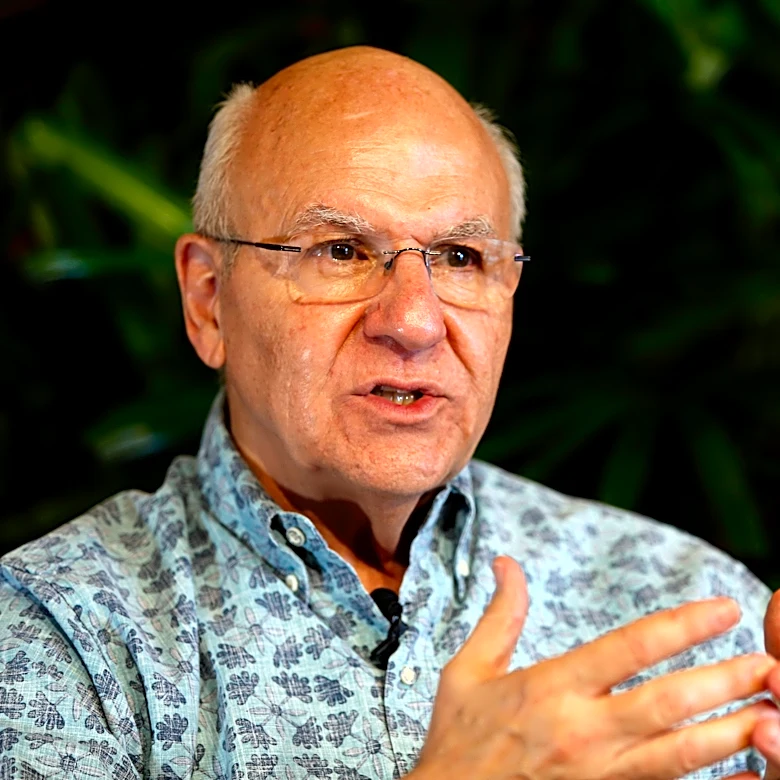
General (Ret.) Glen VanHerck, former Commander of U.S. Northern Command and NORAD, has authored an article advocating for the 'Golden Dome' missile defense system as essential for homeland defense. He argues that this proposed multi-layered missile defense system is the optimal
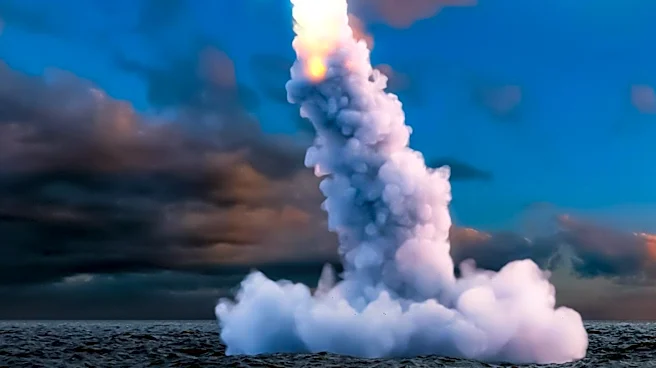
approach to restore strategic deterrence through denial. VanHerck contends that while the nuclear deterrent remains crucial for homeland defense, current U.S. military options are overly reliant on deterrence by massive nuclear retaliation. Golden Dome, he explains, would complement the existing nuclear deterrent by strengthening defense against first-wave conventional attacks. He refutes claims that the system would cost over $1 trillion or that its utility is questionable, stating that recent cost estimates do not reflect the actual planned architecture. VanHerck emphasizes that the U.S. faces a strategic missile gap due to modern offensive conventional systems capable of disrupting national command response systems and damaging critical infrastructure without using nuclear weapons.
Why It's Important?
The advocacy for the 'Golden Dome' missile defense system by a former high-ranking military official like General (Ret.) Glen VanHerck highlights a critical perceived vulnerability in U.S. homeland security. The argument that the U.S. is over-reliant on nuclear deterrence and faces a 'strategic missile gap' against conventional threats from adversaries like China, Russia, North Korea, and Iran, underscores a significant shift in the global threat landscape. The proposed system aims to deter conventional attacks by denying their success, thereby complicating adversaries' planning and raising the cost of such adventurism. If implemented, Golden Dome could dramatically alter U.S. defense strategy, moving towards a more robust, multi-layered defense against a wider array of missile threats, including ballistic, hypersonic, and cruise missiles. This initiative could lead to substantial investments in defense technology and infrastructure, impacting the defense industry and potentially influencing international arms control discussions. The debate over its funding and strategic implications is crucial for the future of U.S. national security.
What's Next?
The future of the 'Golden Dome' missile defense system hinges on securing predictable and stable funding through a multiyear fiscal appropriation plan. Currently, the program is funded through the reconciliation process, which General (Ret.) Glen VanHerck warns makes it vulnerable to continuing resolutions and potential funding shortfalls. Near-term congressional action is required to remove Golden Dome from the negative consequences of this process. If Congress acts to provide stable funding, the system is projected to achieve initial operational capability by 2028, with a phased deployment beginning with expanded terrestrial and maritime capabilities, eventually progressing to space-based sensors and interceptors. The ongoing debate will involve discussions on the system's cost-effectiveness, its impact on strategic stability, and its necessity in the face of evolving global threats. The outcome will determine whether the U.S. adopts a more comprehensive conventional missile defense strategy.
Beyond the Headlines
The discussion surrounding the 'Golden Dome' missile defense system extends beyond immediate defense capabilities to touch upon fundamental aspects of strategic stability and deterrence in a new era of warfare. General (Ret.) Glen VanHerck's argument that Golden Dome will not undermine strategic stability by threatening an adversary's second-strike nuclear capability, but rather fill a dangerous strategic gap created by new conventional weapons, challenges traditional arms control paradigms. The concept of 'deterrence by denial' as a complement to 'deterrence by massive nuclear retaliation' suggests a re-evaluation of how the U.S. projects power and protects its homeland. This shift could lead to a new arms race dynamic, where defensive capabilities become as critical as offensive ones. Furthermore, the emphasis on protecting critical infrastructure from non-nuclear attacks highlights the increasing vulnerability of modern societies to conventional precision-guided munitions and cyber warfare, prompting a broader re-assessment of national resilience and defense priorities in the 21st century.