




What's Happening?
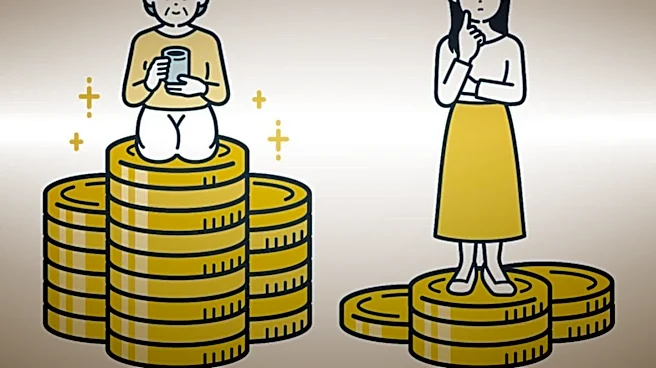
The article discusses the role of philanthropy in addressing the racial wealth gap in the United States through reparations and building a culture of racial repair. It highlights the historical context of systemic racism and policies that have contributed
to the wealth disparity between Black and white Americans. The article references the return of Bruce's Beach to the descendants of Willa and Charles Bruce as a significant step towards reparations. It emphasizes the need for a comprehensive federal program to address the legacy of slavery and race-based policies. The article also notes the involvement of various grassroots organizations, nonprofits, and philanthropists in the movement for reparations, aiming to create a more equitable future.
Why It's Important?
Addressing the racial wealth gap through reparations is crucial for economic and social equity in the United States. The article points out that closing the Black-white wealth gap could significantly boost the U.S. economy, adding between $1 trillion and $1.5 trillion to the GDP. It also highlights the potential for broader societal benefits, including improved health, reduced incarceration rates, and increased employment opportunities. The involvement of philanthropy in this movement is seen as a way to leverage resources and influence to support systemic change. By addressing historical injustices, the nation can work towards a more inclusive and equitable society, benefiting all Americans.
What's Next?
The movement for reparations and racial repair is gaining momentum, with activities occurring across all 50 states. The article mentions ongoing efforts by organizations like Liberation Ventures and the Decolonizing Wealth Project to accelerate the movement. It also notes the introduction of the Reparations Now Resolution by Representative Cori Bush, continuing a tradition of legislative efforts for reparations. Philanthropic involvement is expected to grow, with national organizations supporting various actors in the reparations ecosystem. The article suggests that the movement will continue to build on its current momentum, with potential for significant policy changes and increased public awareness.
Beyond the Headlines
The article explores the deeper implications of reparations, emphasizing that it is not just about financial compensation but also about building a culture of repair. This involves acknowledging historical harms, fostering truth-telling, and creating opportunities for healing and transformation. The movement for reparations is seen as a way to address systemic racism and promote a multiracial democracy. The article also highlights the importance of an intersectional approach, recognizing the diverse experiences and needs of different Black communities. By focusing on repair and transformation, the movement aims to create a more just and equitable society for future generations.