


What's Happening?
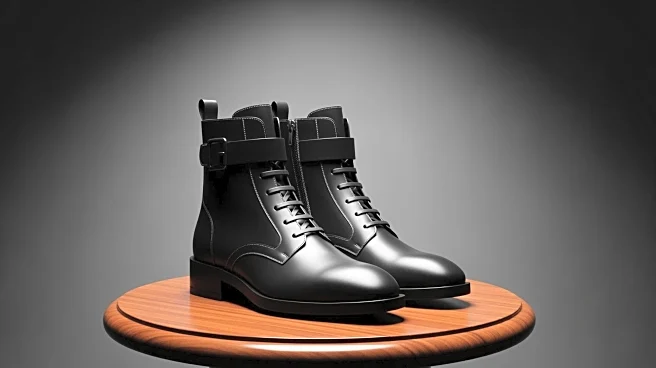
Rama Duwaji, the new first lady of New York City, attracted attention during the inauguration of her husband, Mayor Zohran Mamdani, by wearing a pair of Miista's Shelley boots. The boots, known for their unique design and high price tag of $630, became
a point of contention online. Critics questioned the choice of such expensive footwear given Mamdani's democratic-socialist stance. Duwaji's stylist, Gabriella Karefa-Johnson, clarified that the boots were borrowed. The Shelley boots, crafted from Italian leather, are part of Miista's collection known for its unconventional and artistic designs. Miista, an independent luxury label, has seen significant growth in the U.S. and plans to expand its retail presence in Los Angeles.
Why It's Important?
The incident highlights the intersection of fashion and politics, where personal style choices can become politically charged. The debate over Duwaji's boots underscores the scrutiny public figures face regarding their lifestyle choices, especially when they are perceived to contradict their political ideologies. This situation also brings attention to the role of independent fashion brands like Miista, which emphasize craftsmanship and sustainability. The brand's growth in the U.S. market reflects a broader trend towards supporting independent and ethically-minded fashion labels. This could influence consumer behavior and industry standards, promoting transparency and accountability in fashion production.
What's Next?
Miista's continued expansion in the U.S. market, including a planned retail presence in Los Angeles, suggests a growing demand for independent and sustainable fashion brands. The exposure from this incident may further boost the brand's visibility and sales. For the Mamdani administration, this event may prompt a reassessment of public perceptions and the importance of aligning personal choices with political values. It could also lead to broader discussions on the role of fashion in political identity and the expectations placed on public figures.
Beyond the Headlines
The controversy surrounding Duwaji's boots highlights the cultural and ethical dimensions of fashion in politics. It raises questions about the balance between personal expression and public responsibility for political figures. The emphasis on supporting independent brands with transparent supply chains reflects a shift towards more ethical consumerism. This trend could drive long-term changes in the fashion industry, encouraging more brands to adopt sustainable practices and prioritize craftsmanship over mass production.