




What's Happening?
The climate movement is facing criticism for failing to adequately address the needs of disabled individuals as climate-related disasters become more frequent and severe. According to a report, disabled people are up to four times more likely to die in climate disasters compared
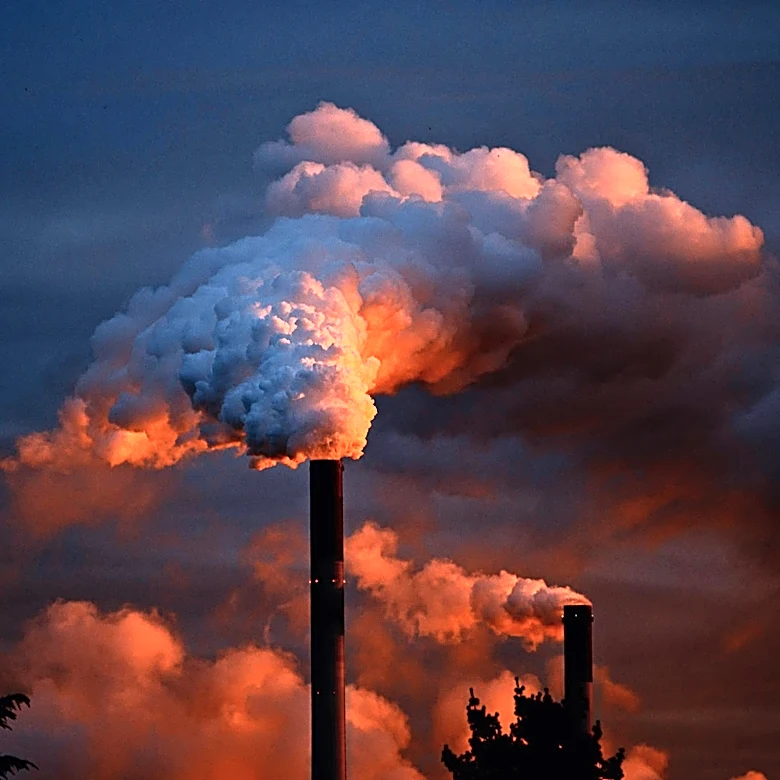
to the general population. Despite this, less than a third of the countries that signed the 2015 Paris climate agreement have included disabled people in their long-term climate plans. The lack of accessible evacuation routes and emergency plans that do not consider the needs of disabled individuals exacerbate the risks they face. Additionally, climate change imposes financial burdens on disabled people, who often require extra medications and medical visits due to exacerbated chronic conditions caused by environmental factors like poor air quality.
Why It's Important?
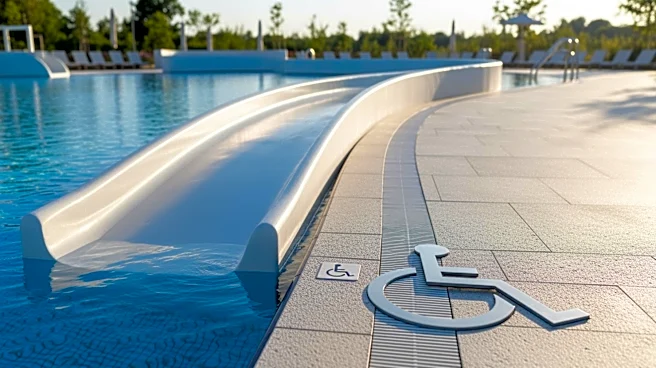
This issue highlights a significant gap in climate policy and emergency planning, which could have dire consequences for disabled individuals. The exclusion of disabled voices from climate conversations and decision-making processes means that their specific needs are often overlooked, leading to inadequate support during emergencies. This oversight not only endangers lives but also widens the gap between disabled and non-disabled people, as climate change continues to strain already limited resources. Addressing this gap is crucial for ensuring that climate policies are inclusive and equitable, providing necessary protections for all vulnerable populations.
What's Next?
To address these challenges, there is a call for the inclusion of disabled voices in climate policy discussions and decision-making processes. Disability justice advocates emphasize the need for emergency plans to be accessible and for first responders to be aware of individuals who rely on electricity for survival. Additionally, there is a push for climate legislation to undergo disability impact reviews, similar to environmental assessments, to ensure that policies serve the needs of disabled people. These steps are essential for creating a more inclusive and effective response to the climate crisis.
Beyond the Headlines
The neglect of disabled individuals in climate planning raises ethical concerns about the value placed on their lives and well-being. It also highlights the need for a broader cultural shift towards inclusivity and accessibility in all aspects of society. As climate change continues to pose significant challenges, ensuring that all voices are heard and considered in policy-making is crucial for building resilient and equitable communities.