




What's Happening?
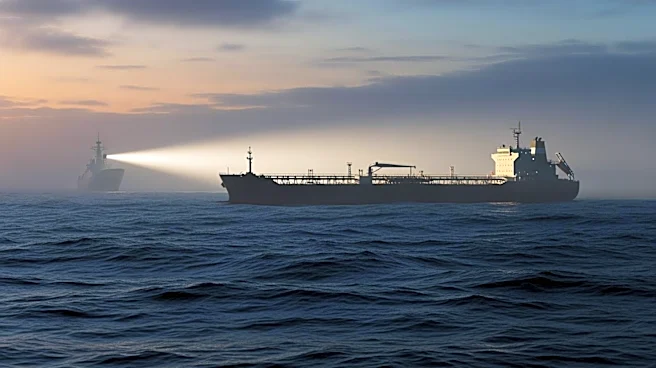
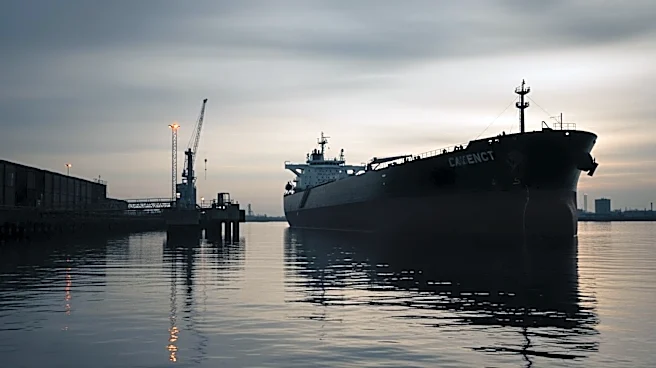
US forces have intercepted the stateless oil tanker Davina in the Indian Ocean, according to the US military's Indo-Pacific Command. The Davina, capable of carrying up to two million barrels of crude oil, was sanctioned by the US in October 2024 for its
involvement in Iranian oil trading. This action is part of a broader US strategy to enforce maritime sanctions against Iran, which includes a blockade on Iran's sea trade. The interception of the Davina is one of several recent actions by US forces targeting commercial and oil tankers in the region, as tensions continue to escalate over Iran's maritime activities.
Why It's Important?
The interception of the Davina highlights ongoing tensions between the US and Iran, particularly concerning Iran's oil trade and maritime activities. The US blockade and subsequent enforcement actions are aimed at curbing Iran's ability to trade oil, which is a significant source of revenue for the country. This move could further strain US-Iran relations and impact global oil markets, potentially leading to fluctuations in oil prices. Additionally, the US's continued maritime enforcement efforts underscore its commitment to disrupting illicit networks and maintaining security in the region, which could have broader implications for international shipping and trade routes.
What's Next?
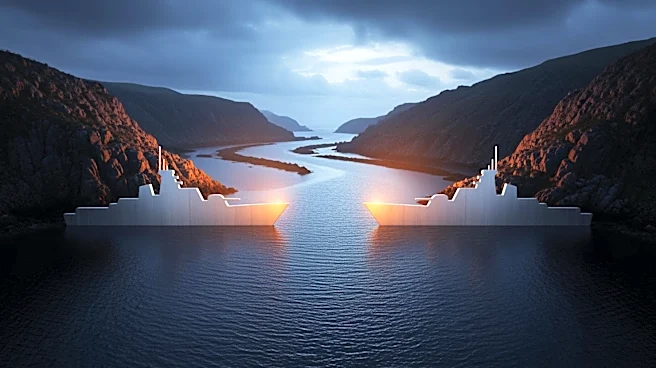
The US is likely to continue its maritime enforcement operations in the Indian Ocean and surrounding regions, targeting vessels involved in Iranian oil trading. This could lead to further confrontations with Iran, which has previously responded to such actions by firing on ships in the Strait of Hormuz. The international community may also respond, with potential diplomatic efforts to address the escalating tensions. Additionally, the interception of the Davina may prompt Iran to seek alternative routes or methods for its oil trade, potentially involving other countries or regions.