



What's Happening?
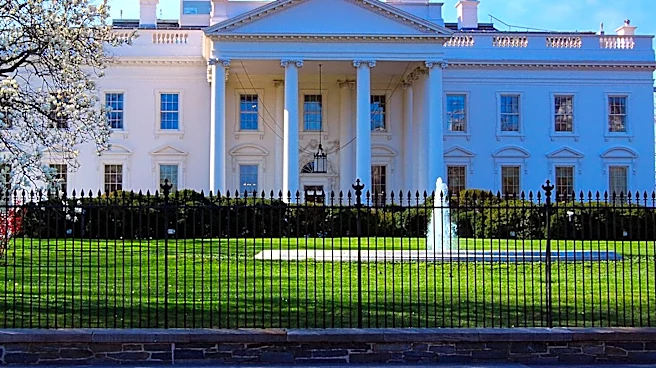
The Trump administration is facing criticism for its actions against climate science, particularly in light of recent findings that the Arctic experienced its hottest year on record in 2025. The administration has been accused of attempting to suppress
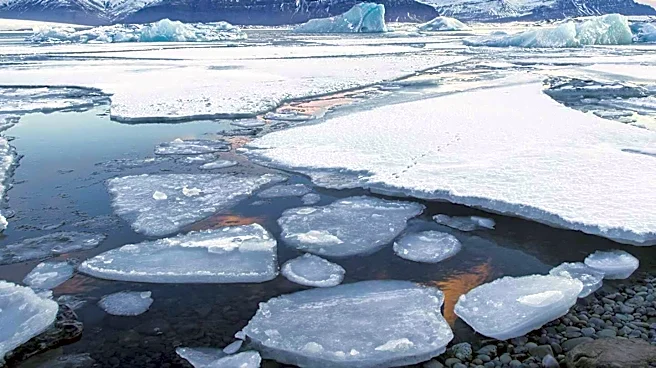
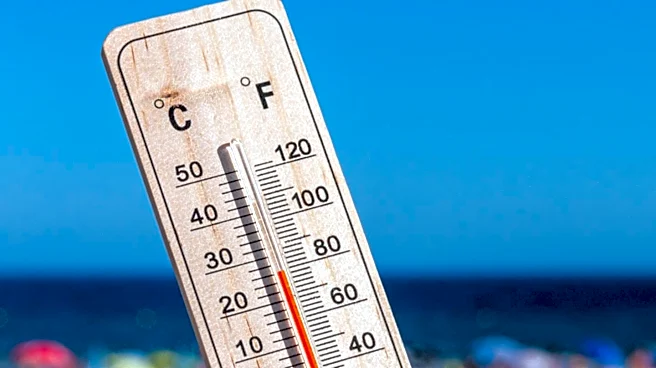
climate science, as evidenced by the cancellation of a key U.S. report on the Arctic's changing state and the removal of a chapter on global warming from a judicial reference manual. These actions come amid record-breaking heat affecting the world's oceans and land masses. The Arctic is warming at a rate several times faster than the global average, a phenomenon known as 'Arctic amplification,' which has significant global impacts, including disruptions to the Atlantic Meridional Overturning Circulation. The National Oceanic and Atmospheric Administration (NOAA) has not provided a clear explanation for the discontinuation of the Arctic Report Card, which has been published annually since 2006.
Why It's Important?
The suppression of climate science by the Trump administration has significant implications for public policy and environmental regulation in the U.S. The Arctic's rapid warming serves as a critical indicator of climate change, with potential consequences for global weather patterns and sea levels. The administration's actions could hinder efforts to address climate change and reduce greenhouse gas emissions, impacting environmental policies and regulations. The removal of scientific information from judicial resources may also affect legal proceedings related to climate accountability, as judges require reliable data to evaluate cases against industries contributing to climate change. The broader attack on climate science could undermine efforts to mitigate the effects of climate change and protect vulnerable communities from its impacts.
What's Next?
The National Academy of Sciences is conducting an independent review of the removed climate science chapter, with results expected in the fall. This review could influence future decisions on the inclusion of climate science in judicial resources. Meanwhile, the Trump administration's actions may face legal challenges and pushback from environmental groups and scientists advocating for climate accountability. The ongoing debate over climate science and policy is likely to continue, with potential implications for future U.S. administrations and international climate agreements.
Beyond the Headlines
The Trump administration's approach to climate science raises ethical concerns about the role of government in scientific research and the dissemination of information. The suppression of climate data could have long-term effects on public trust in science and government institutions. Additionally, the administration's actions may influence global perceptions of the U.S. as a leader in climate action, potentially affecting international collaborations and agreements aimed at addressing climate change.