






What's Happening?
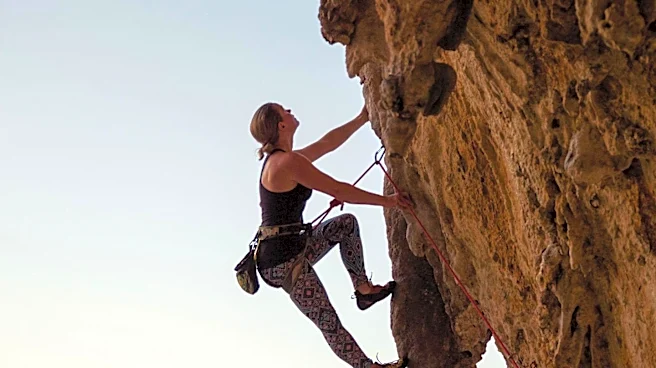
Standard travel insurance policies often do not fully cover rock climbing, with coverage varying based on the specific style of climbing. Many consumer plans may only cover roped, supervised sport climbing or climbing without a rope up to a height of 10
to 15 feet. Activities such as free-solo, big-wall, multi-pitch trad climbing, or any climbing requiring ropes, harnesses, or fixed protection are frequently excluded. Insurers categorize climbing styles, with single-pitch roped sport climbing being the most commonly included in adventure-friendly policies. Multi-pitch and traditional (trad) climbing are considered higher risk and often require a premium tier or are excluded. Free-solo and free climbing without ropes are almost universally excluded. Bouldering is often covered as a recreational activity due to its rope-free and low-to-the-ground nature, but policies may still impose a height ceiling. It is crucial for climbers to declare their intended hardest climbing style and carefully review the activity schedule of their policy to understand what is covered.
Why It's Important?
The nuanced coverage of rock climbing in travel insurance has significant implications for U.S. climbers, potentially leaving them exposed to substantial financial risks. Without adequate coverage, climbers could face exorbitant costs for medical care, emergency evacuation, and equipment replacement in the event of an accident. Standard travel insurance, often bundled with airfare or credit cards, is typically designed for lower-risk travel, making it insufficient for the inherent dangers of various climbing disciplines. This gap in coverage means that a climber experiencing an injury at a remote crag might incur five or six-figure expenses for helicopter evacuation and treatment, which their basic policy would not cover. Furthermore, expensive climbing gear, such as trad racks, ropes, and hardware, can exceed standard baggage limits, leaving climbers to bear the cost of lost or damaged equipment. Understanding these distinctions is vital for climbers to make informed decisions about their insurance needs, ensuring they are protected against the financial fallout of climbing-related incidents.
What's Next?
Climbers planning trips should proactively seek specialized travel insurance or upgrade their existing policies to include hazardous sports coverage. This often involves a modest percentage increase on the base premium but is significantly less costly than an uncovered claim. When obtaining quotes, climbers must explicitly declare the hardest style of climbing they intend to undertake. They should also scrutinize the policy's activity schedule, not just the brochure, to confirm specific inclusions and exclusions. For those engaging in multi-pitch, alpine rock, or via-ferrata climbing, an adventure or hazardous-sports upgrade is usually necessary. Additionally, climbers need to assess emergency medical and medical evacuation limits based on the most remote and challenging objective of their trip, rather than the most convenient, to ensure sufficient coverage for potential high-cost incidents. Confirming whether the policy pays primary or secondary to their home health plan is also a critical step.
Beyond the Headlines
The disparity in travel insurance coverage for different rock climbing styles highlights a broader issue of risk assessment and specialized needs within adventure sports. This situation underscores the importance of consumer diligence in understanding complex policy language, particularly when engaging in activities with inherent risks. The industry's tiered approach to climbing coverage reflects a sophisticated actuarial understanding of varying risk profiles, from supervised indoor climbing to high-stakes free-soloing. This also points to a potential market for more tailored insurance products that cater specifically to the diverse and evolving landscape of adventure tourism. The ethical dimension arises in ensuring that insurers clearly communicate these distinctions, preventing climbers from unknowingly undertaking activities without proper protection. As adventure sports grow in popularity, the demand for transparent and comprehensive insurance solutions will likely increase, pushing the industry to innovate and better serve this niche but significant market.