

What's Happening?
The Hawaii Department of Health has confirmed a case of measles in a visitor to Oahu, who arrived from a region in the continental United States with known measles transmission. The visitor became ill after arriving in Hawaii and is currently recovering
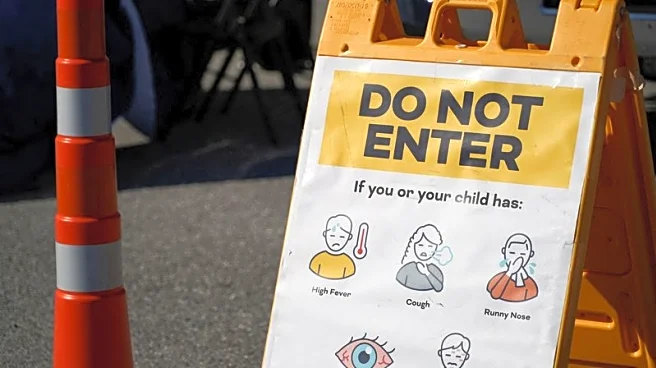
at a private residence on Oahu. Health officials have identified several locations where people may have been exposed to the virus, including the Daniel K. Inouye International Airport and various sites on Hawaii Island. The Department of Health is contacting individuals who may have had close contact with the visitor and has issued notifications to airlines and airports connected to the case. Measles is a highly contagious virus that spreads through direct contact or through the air when an infected person coughs or sneezes. Symptoms typically appear seven to 14 days after exposure and may include fever, cough, runny nose, red eyes, and a rash. Health officials urge those who were at the listed locations and are not vaccinated to contact their healthcare provider immediately.
Why It's Important?
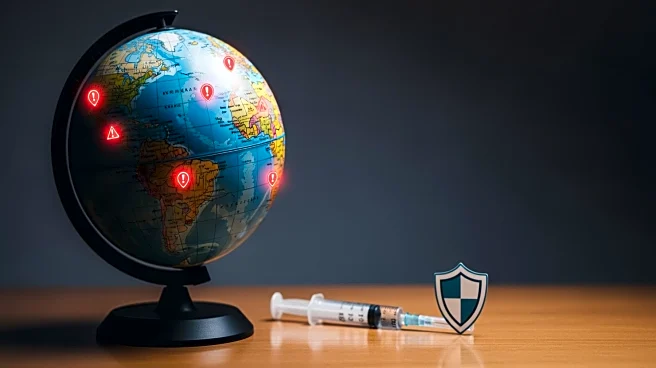
The confirmation of a measles case in Hawaii highlights the ongoing risk of infectious diseases spreading through travel. Measles is a highly contagious virus, and outbreaks can occur when it is introduced into communities with low vaccination rates. This case underscores the importance of maintaining high vaccination coverage to prevent outbreaks. The situation also serves as a reminder of the interconnectedness of global health, as diseases can easily cross borders through travel. The health department's swift response in notifying potential contacts and issuing exposure alerts is crucial in preventing further spread. This incident may prompt increased vigilance and vaccination efforts among residents and visitors to Hawaii, emphasizing the need for public health preparedness and response strategies.
What's Next?
The Hawaii Department of Health is continuing its investigation and monitoring of the situation. Individuals who may have been exposed are advised to self-isolate and contact health authorities for guidance. The department is also working to ensure that those who have been in contact with the infected individual are informed and can take appropriate precautions. Public health officials may increase efforts to promote vaccination and educate the public about the importance of the MMR vaccine. The situation may lead to heightened awareness and preventive measures among travelers and residents, potentially influencing public health policies and practices in Hawaii and beyond.