





What's Happening?
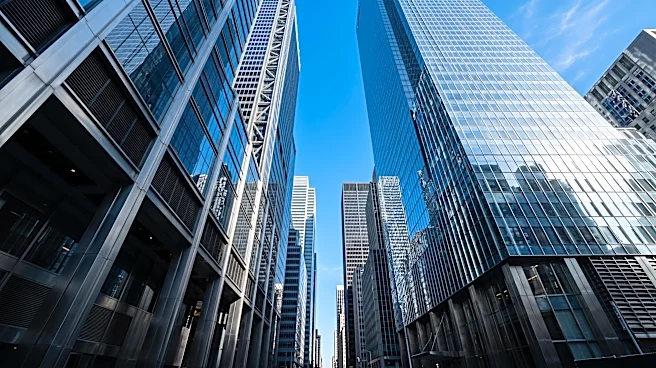
An underground electrical fire in San Francisco's Financial District led to evacuations, a shelter-in-place order, and power outages on Thursday morning. The San Francisco Fire Department (SFFD) responded around 6:04 a.m. to reports of smoke emanating
from several utility vaults at 150 California Street, an office tower situated between Front and Davis streets. The incident involved eruptions in four vaults, with two manhole covers reportedly blown out. An SFFD official indicated that an 'electrical malfunction' was the probable cause of the fire. A unified command, including the San Francisco Police Department, SFFD, and Pacific Gas & Electric Co. (PG&E), was established to manage the situation. PG&E began shutting down additional power, affecting nearby locations, and estimated electricity restoration by 10:45 a.m. No injuries were reported, but the immediate area was evacuated and cordoned off, with a shelter-in-place order expanded to a four-block radius around 150 California Street, which was later lifted after 10 a.m.
Why It's Important?
This incident highlights the critical vulnerabilities of urban infrastructure, particularly the aging underground electrical systems in densely populated areas like San Francisco's Financial District. The widespread disruption, including evacuations, shelter-in-place orders, and power outages, underscores the significant impact such events can have on daily life and economic activity. For businesses in the Financial District, power outages mean lost productivity and potential financial losses, affecting operations and employee access. The involvement of multiple emergency services and PG&E demonstrates the complex coordination required to manage such crises. The incident also raises questions about the maintenance and resilience of essential utility infrastructure, especially in a city prone to seismic activity. The potential for manhole cover eruptions, as noted by fire officials, poses a direct safety risk to the public, emphasizing the need for robust safety protocols and infrastructure upgrades.
What's Next?
PG&E and the San Francisco Fire Department are currently investigating the exact cause of the electrical malfunction that led to the underground fire. The findings of this investigation will be crucial for implementing preventative measures and improving infrastructure resilience. PG&E will continue its efforts to fully restore power to all affected customers and assess the damage to the underground utility vaults. City officials and utility companies may review existing safety protocols and infrastructure maintenance schedules to prevent similar incidents in the future. This event could also prompt discussions about investing in modernizing underground electrical grids, especially in older urban centers. For residents and businesses in the affected area, the focus will be on returning to normalcy and ensuring the stability of power services. The San Francisco Municipal Transportation Agency will also need to ensure the full restoration of services, including the California Street cable car line, which was blocked during the incident.
Beyond the Headlines
This incident points to a broader challenge faced by many older U.S. cities: maintaining and upgrading critical infrastructure that is often out of sight and out of mind until a crisis occurs. Underground utility fires, while not uncommon, can be particularly dangerous due to the confined spaces and potential for explosive pressure buildup, as evidenced by the manhole cover eruptions. The event underscores the interconnectedness of urban systems; an electrical malfunction can quickly cascade into public safety concerns, transportation disruptions, and economic setbacks. It also brings to light the ongoing need for robust emergency response planning and public communication strategies during such events. The incident serves as a reminder that urban resilience depends not only on visible structures but also on the hidden networks that power and support city life, prompting a deeper look into the long-term sustainability and safety of these essential systems.