


What's Happening?
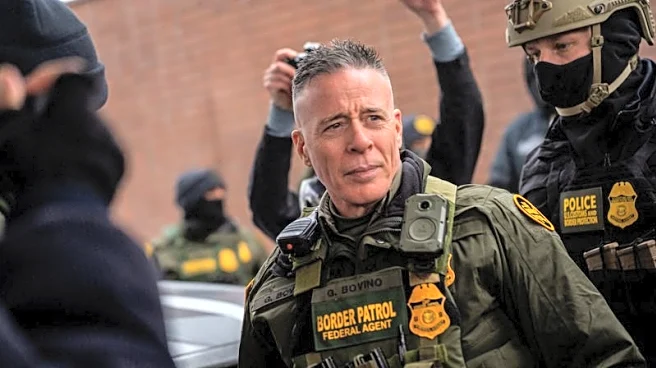
The Hennepin County Attorney, Mary Moriarty, has announced an investigation into potential misconduct by federal officers during an immigration enforcement operation known as 'Metro Surge' in Minnesota. The investigation focuses on 17 cases, including
incidents where federal officers allegedly used excessive force, such as deploying chemical irritants and throwing smoke canisters at protesters. The investigation also covers the shooting deaths of two U.S. citizens, Renee Good and Alex Pretti, by federal agents in January. Moriarty's office is gathering evidence and has set up an online portal for the public to submit photos, videos, and eyewitness accounts. The Department of Homeland Security has stated that immigration enforcement is a federal responsibility and that federal officers are immune from state prosecution.
Why It's Important?
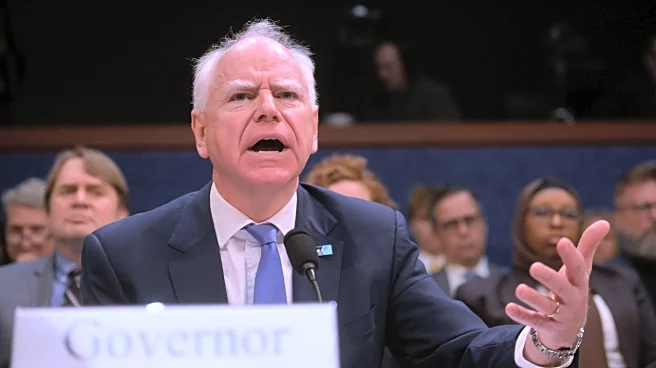
This investigation highlights ongoing tensions between state and federal authorities over immigration enforcement practices. The potential charges against federal officers could set a precedent for state-level accountability in federal operations. The case has drawn national attention, with criticisms of federal use-of-force policies and the impact on community relations. If charges are pursued, it could lead to significant legal battles over jurisdiction and the limits of state authority in federal matters. The outcome may influence future immigration enforcement strategies and policies, affecting both federal agencies and local communities.
What's Next?
Moriarty's office is prepared to sue the federal government if necessary to obtain evidence for the investigation. The Department of Justice has opened a civil rights inquiry into one of the deaths, but not the other, which may lead to further scrutiny and legal challenges. The investigation's progress and any potential charges will be closely watched by legal experts, civil rights advocates, and policymakers. The case could prompt discussions on reforming immigration enforcement practices and improving oversight mechanisms.