
What's Happening?
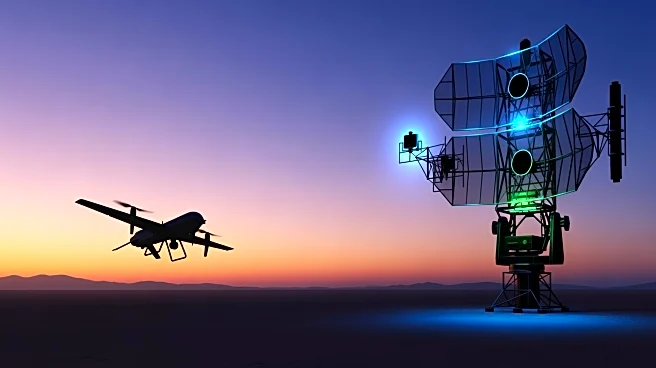
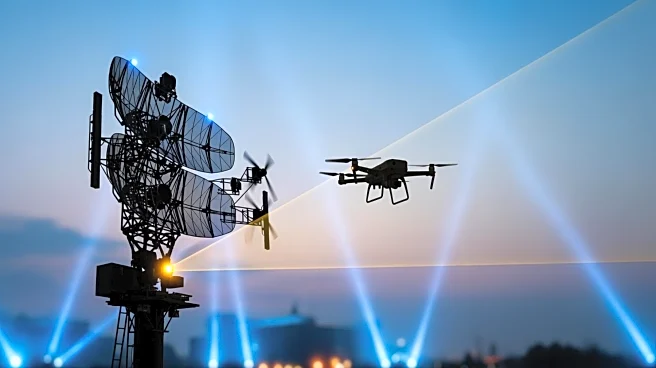
The United States is set to deploy an anti-drone system, known as Merops, to the Middle East to enhance defenses against Iranian drones. This decision follows the system's successful use in Ukraine, where it was employed to counter Russian drones. The Merops system, which
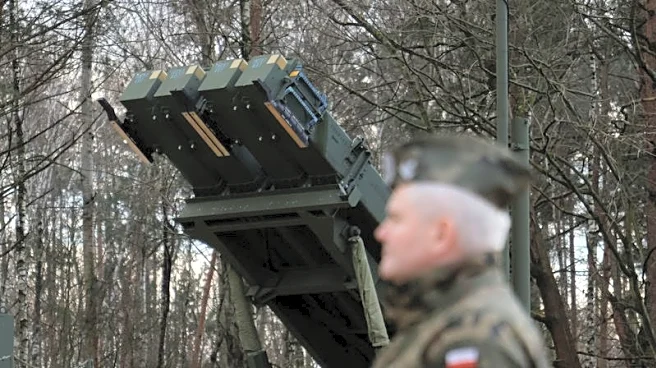
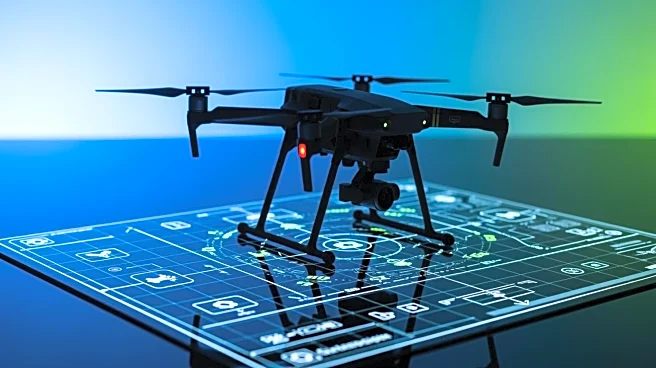
can be transported in a midsize pickup truck, uses artificial intelligence to identify and neutralize drones, even when traditional communications are disrupted. This move comes amid concerns over Iran's drone capabilities, which have been a challenge for U.S. and allied forces in the region. The deployment is part of a broader strategy to improve anti-drone defenses, as existing systems like the Patriot and THAAD are not cost-effective against the relatively inexpensive Iranian drones.
Why It's Important?
The deployment of the Merops system underscores the growing threat posed by drones in modern warfare, particularly those used by Iran. The U.S. aims to protect its interests and allies in the Middle East from potential Iranian retaliatory actions. The cost-effectiveness of the Merops system is a significant advantage, as it addresses the 'math problem' of using expensive interceptors against low-cost drones. This development highlights the need for advanced counter-drone technologies to maintain strategic and tactical advantages in volatile regions. The move also reflects lessons learned from Ukraine, where similar systems have been deployed to protect NATO airspace.
What's Next?
The Merops system will be deployed to various locations in the Middle East, including areas without a U.S. military presence. This strategic placement aims to bolster regional defenses and deter potential Iranian drone attacks. The U.S. will continue to assess the effectiveness of the Merops system and may consider further deployments or enhancements based on its performance. Additionally, the collaboration with Ukraine in counter-drone efforts may lead to further joint initiatives to address shared security challenges.