





What's Happening?
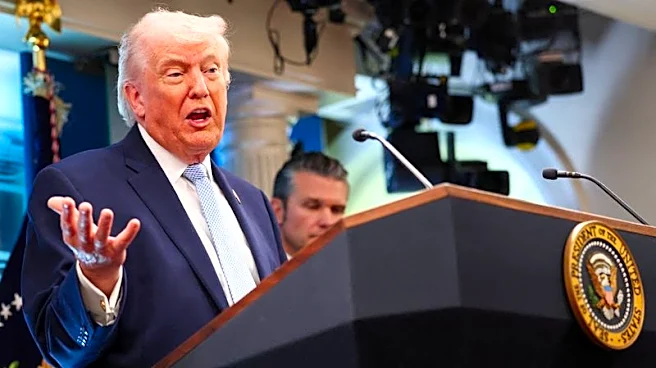
President Trump recently engaged in a promotional stunt involving a DoorDash delivery at the White House to highlight his 'no tax on tips' policy. The event featured a DoorDash driver, Sharon Simmons, who has been advocating for the legislation in congressional
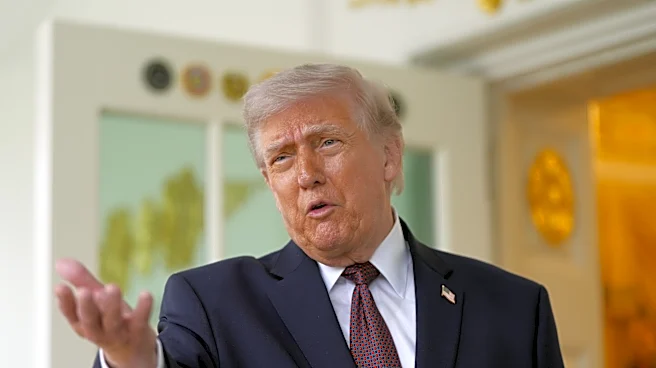
hearings. During a Tax Day roundtable in Las Vegas, Trump acknowledged the stunt's lack of elegance, describing it as 'a little tacky.' Despite this, he defended the use of such tactics in politics, suggesting they contribute to electoral success. The stunt aimed to draw attention to the policy, which seeks to alleviate financial burdens on gig economy workers.
Why It's Important?
The stunt underscores the ongoing debate around gig economy policies and the financial challenges faced by workers in this sector. By promoting a 'no tax on tips' policy, President Trump is addressing concerns about the economic pressures on gig workers, who often rely on tips as a significant portion of their income. The event highlights the intersection of politics and economic policy, as well as the strategies employed by political figures to garner public support. The broader implications of such policies could affect millions of gig workers across the U.S., potentially influencing their financial stability and the regulatory landscape of the gig economy.
What's Next?
The promotion of the 'no tax on tips' policy may lead to further discussions and legislative efforts aimed at supporting gig economy workers. Stakeholders, including policymakers and gig economy companies, are likely to engage in debates over the best approaches to address the financial challenges faced by these workers. The policy's reception and potential impact on the gig economy will be closely monitored, with possible adjustments or expansions to the policy depending on public and political feedback. As the gig economy continues to grow, similar initiatives may emerge to address the unique needs of this workforce.
Beyond the Headlines
The stunt reflects broader themes in political communication and the use of media events to influence public perception. It highlights the role of image and narrative in shaping political discourse and the ways in which politicians leverage personal stories to connect with constituents. The event also raises questions about the ethical considerations of using individuals' personal circumstances for political gain. As gig economy issues gain prominence, the ethical dimensions of policy promotion and the representation of workers' experiences will become increasingly relevant in political and public discussions.