



What's Happening?
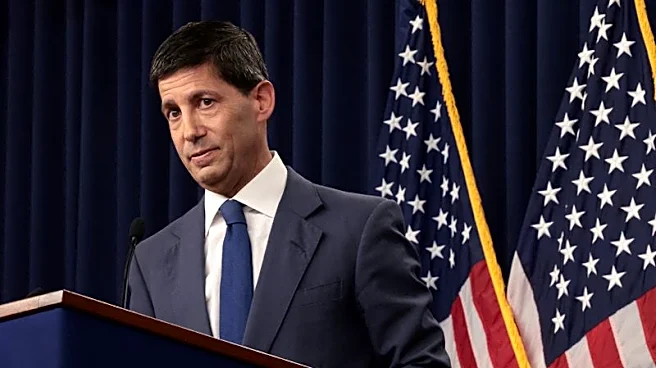
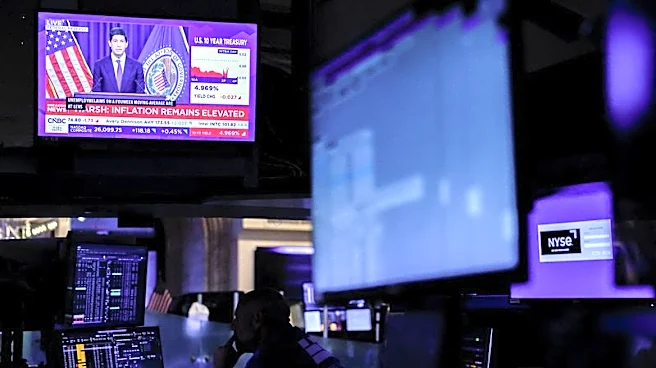
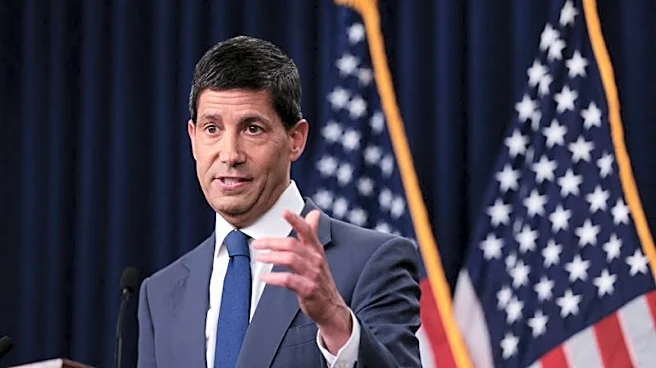
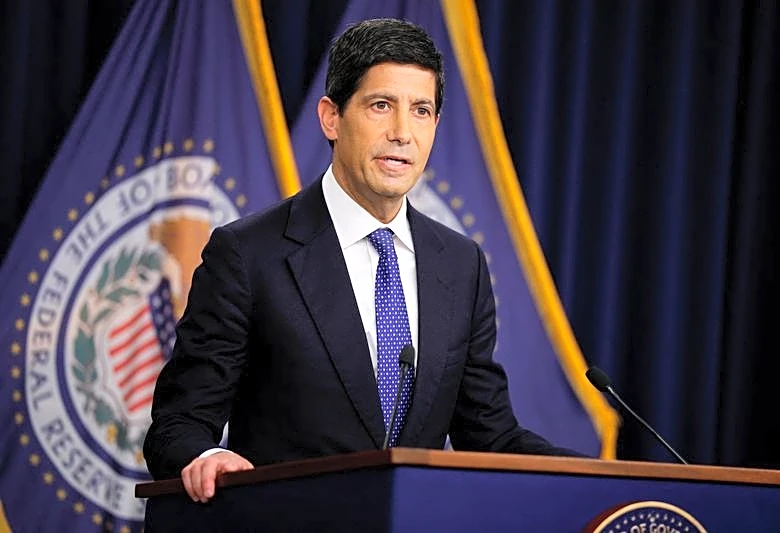
Federal Reserve Chair Kevin Warsh has indicated that persistent inflation might necessitate an increase in interest rates, a stance that directly contrasts with President Trump's repeated demands for aggressive rate cuts. This signal from Warsh comes
just two months before the November midterm elections. President Trump has consistently argued that lowering borrowing costs for mortgages and businesses is crucial for economic support and asset markets, criticizing the current U.S. benchmark rate of 3.50–3.75% as 'ridiculous.' Warsh, however, assessed the U.S. economy as 'appearing stronger' and noted that current financial conditions are 'hardly tight,' suggesting that rate cuts are not needed to bolster the economy. The Financial Times reported that Warsh's remarks were interpreted as prioritizing the Fed’s mandate to stabilize prices. This potential move by the Fed chair, appointed by President Trump, to raise rates against the President's wishes, highlights a growing tension over monetary policy.
Why It's Important?
This divergence in monetary policy views between Federal Reserve Chair Kevin Warsh and President Trump carries significant implications for the U.S. economy and political landscape. A rate hike, as signaled by Warsh, would aim to curb inflation, which the Fed views as a primary concern. However, higher interest rates could increase borrowing costs for consumers and businesses, potentially slowing economic growth, impacting the housing market, and affecting rate-sensitive stocks and bonds. Conversely, it could strengthen the dollar and benefit financial firms. President Trump's push for lower rates is intended to stimulate economic activity and asset markets, aligning with his administration's economic goals. The clash underscores the ongoing debate about the Federal Reserve's independence from political influence, especially in an election cycle. The outcome of this policy disagreement could influence public perception of economic stability and the effectiveness of current economic strategies, affecting various sectors and stakeholders across the U.S.
What's Next?
The immediate focus will be on upcoming inflation data and any further statements from Federal Reserve officials, particularly leading up to the next Federal Open Market Committee meeting. Market reactions will be closely watched, as any concrete steps towards a rate hike could lead to volatility in stock, bond, and housing markets. President Trump's administration is likely to continue vocalizing its preference for lower interest rates, potentially intensifying public pressure on the Fed. The midterm elections in November will also serve as a critical backdrop, as economic conditions and the cost of living are often key voter concerns. The Fed's decision will be scrutinized for its impact on inflation control versus economic growth, and how it balances its dual mandate. Stakeholders, including businesses, consumers, and investors, will be monitoring these developments to adjust their financial strategies accordingly.
Beyond the Headlines
The tension between Federal Reserve Chair Kevin Warsh and President Trump over interest rate policy delves into the fundamental principles of central bank independence. The Federal Reserve's mandate is to maintain price stability and maximum employment, often requiring decisions that may not align with short-term political objectives. This situation highlights the delicate balance between economic policy and political cycles. If Warsh proceeds with a rate hike despite presidential opposition, it could reinforce the perception of the Fed's autonomy, but also potentially strain the relationship between the executive branch and the central bank. Conversely, if the Fed were perceived to yield to political pressure, it could undermine its credibility and long-term effectiveness in managing the economy. This dynamic has broader implications for investor confidence, as the predictability and independence of monetary policy are crucial for market stability and economic planning. The outcome could set a precedent for future interactions between the White House and the Federal Reserve, influencing the institutional integrity of U.S. economic governance.