








What's Happening?
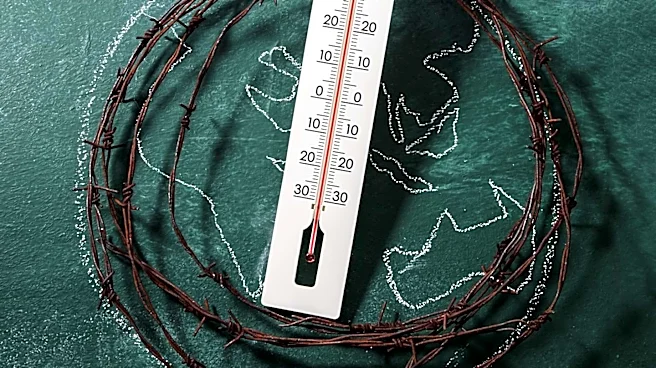
California is experiencing an increase in frequent and dangerous heat days, making home cooling unaffordable for millions due to sky-high utility bills, according to a new report by the Environmental Working Group (EWG). The report highlights that heat advisory
days, defined as 'extreme' or 'major' and threatening health without cooling, have jumped by an average of 55% statewide over the last two decades, with increases ranging from 30% to 145% depending on the region. California families are collectively spending $4 billion annually on home air conditioning, adding $95 to $800 to their yearly utility bills. Approximately 7 million ratepayers are already in utility debt, facing some of the highest electricity bills in the U.S. This situation forces many households to choose between risking extreme heat exposure or incurring further debt to afford cooling.
Why It's Important?
This situation presents a critical public health and economic challenge for California. The rising frequency of extreme heat days, coupled with unaffordable cooling costs, creates a dangerous dilemma for vulnerable populations, potentially leading to increased heat-related illnesses and fatalities. The significant utility debt among millions of Californians underscores a growing economic burden that disproportionately affects lower-income households and renters, who often have less access to air conditioning. The report emphasizes that current housing infrastructure in many areas is not built to withstand such extreme temperatures, highlighting a systemic issue that requires urgent attention. This issue also impacts broader societal well-being, as exposure to heat stress can have severe health consequences, including for pregnant individuals.
What's Next?
The Environmental Working Group is urging policymakers to prioritize solutions such as customer-sited solar electric devices, including rooftop and balcony solar systems, to drastically reduce or eliminate annual utility costs for air conditioning. State Senator Scott Wiener (D-San Francisco) has introduced SB 868, a bill aimed at cutting through red tape to make it easier for both renters and homeowners to access solar energy. This bill has cleared the Senate and is currently pending in the Assembly. If enacted, it could significantly expand access to clean, renewable energy and provide residents with more control over their energy expenses. Policymakers are expected to continue exploring and implementing strategies to make homes more resilient to extreme heat and ensure affordable cooling options for all Californians.
Beyond the Headlines
The crisis in California reveals deeper implications regarding climate change adaptation, energy equity, and infrastructure resilience. The increasing frequency of extreme heat days is a direct consequence of climate change, forcing a reevaluation of urban planning and building codes. The disparity in access to air conditioning, particularly for renters and those in coastal communities, highlights existing social inequalities that are exacerbated by environmental challenges. The push for customer-sited solar solutions represents a broader shift towards decentralized energy production, empowering individuals to mitigate their energy costs and contribute to a more sustainable grid. This situation also brings to light the ethical considerations of ensuring basic comfort and safety in a changing climate, and the responsibility of government and utility providers to protect vulnerable populations.