

What's Happening?
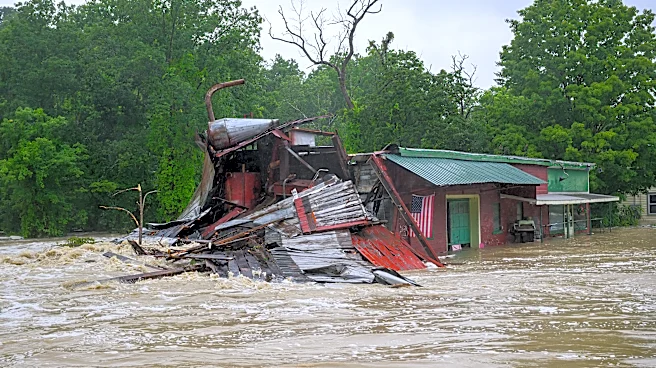
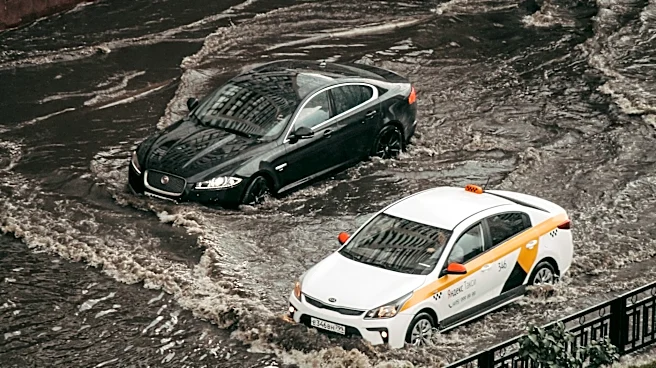
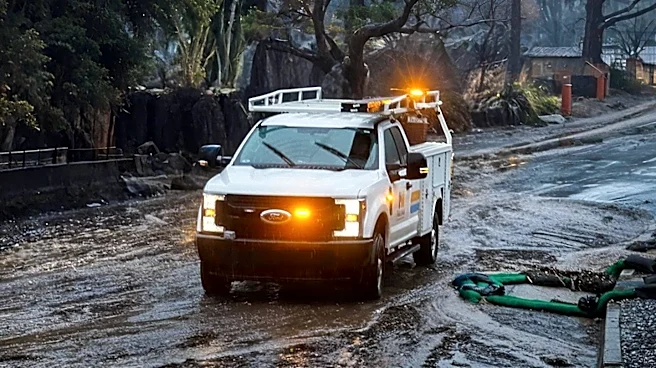
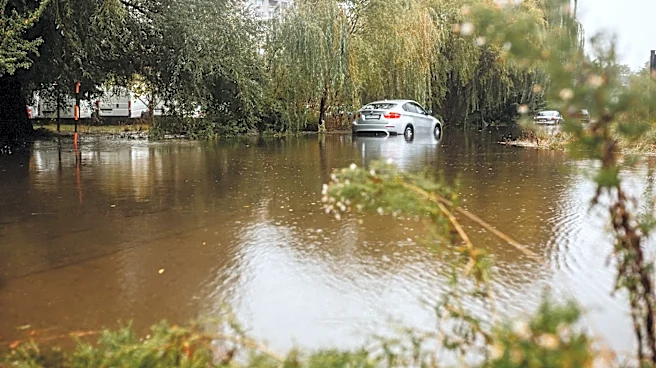
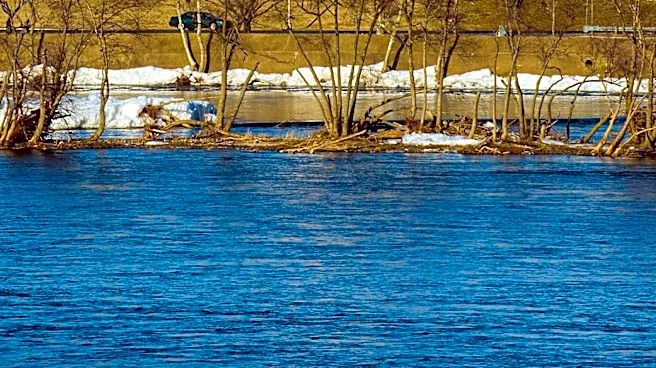
Eastern New York is experiencing dangerous flooding due to slow-moving downpours that have soaked the region, following heavy rains in New Jersey and Pennsylvania. The flooding has led to water rescues and road closures, with rainfall totals exceeding
7 inches in some areas. A state of emergency has been declared in multiple counties, and swiftwater rescue teams have been deployed. The storm has set a record for the largest two-day rainfall event at Albany International Airport, with nearly 12 inches of rain recorded in Schodack, New York. The flooding has also caused significant travel disruptions, including over 200 flight cancellations at major New York City airports and service cancellations by Amtrak between New York City and Albany.
Why It's Important?
The flooding highlights the vulnerability of infrastructure and communities to extreme weather events, which are becoming more frequent and severe due to climate change. The impact on transportation and emergency services underscores the need for improved flood management and infrastructure resilience. The economic implications are significant, with disruptions to travel and potential damage to property and infrastructure. The situation also raises concerns about public safety and the capacity of emergency services to respond to such events.
What's Next?
As the storm weakens, the risk of further flooding is expected to decrease. However, scattered showers may continue to affect the region. Authorities will likely focus on recovery efforts, including clearing debris and restoring services. The event may prompt discussions on enhancing flood preparedness and infrastructure improvements to mitigate future risks. Stakeholders, including government agencies and local communities, may advocate for increased investment in flood management strategies.