


What's Happening?
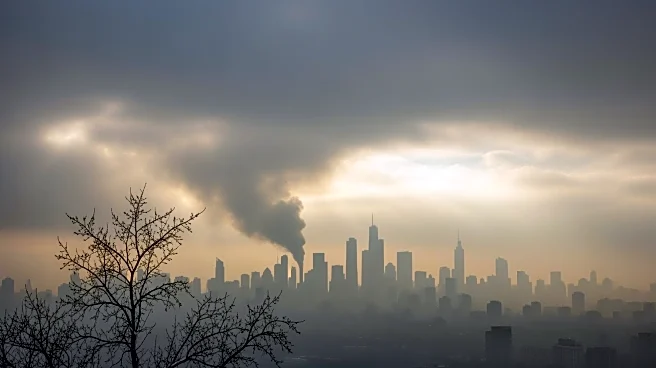
Dense toxic smog has enveloped New Delhi, India, leading to severe air pollution levels that have disrupted travel and posed significant health risks. Over 40 flights were canceled, and more than 50 trains were delayed due to the hazardous air quality.
The smog has caused an influx of patients with respiratory issues in hospitals, prompting healthcare experts to advise residents to avoid outdoor activities. The air quality index reached over 450, far exceeding the safe limit of 50, and authorities have implemented measures such as banning construction activities and restricting diesel generators to combat the pollution.
Why It's Important?
The severe air pollution in New Delhi highlights the ongoing environmental challenges faced by the region, which is home to over 30 million people. The situation underscores the urgent need for long-term solutions to address air quality issues that affect public health and disrupt daily life. The crisis also reflects broader environmental concerns, as New Delhi consistently ranks among the world's most polluted cities. The impact of such pollution extends beyond immediate health risks, potentially affecting economic activities and quality of life for residents.
What's Next?
Authorities in New Delhi are likely to continue implementing emergency measures to mitigate the immediate effects of the smog. However, environmentalists emphasize the need for sustainable, long-term strategies to address the root causes of pollution, such as industrial emissions and agricultural practices. Public pressure and protests may increase, demanding more effective government action. The situation may also prompt international attention and collaboration to tackle air pollution in major urban centers.
Beyond the Headlines
The persistent air pollution in New Delhi raises ethical and policy questions about environmental justice and the responsibility of governments to protect public health. The crisis highlights the need for comprehensive data collection and analysis to understand the full impact of pollution on mortality and morbidity. Additionally, it calls for a reevaluation of urban planning and industrial policies to prioritize environmental sustainability.