



What's Happening?
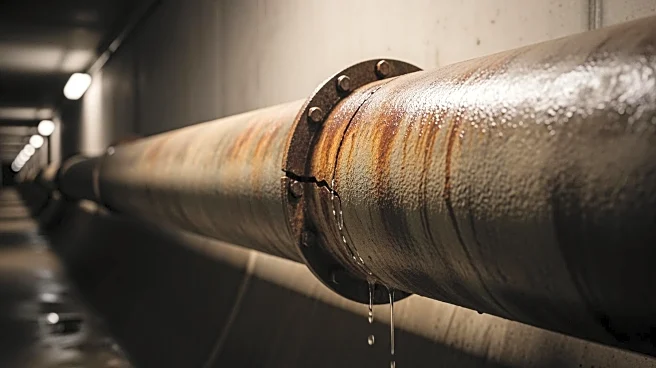
A significant sewage spill into the Potomac River has underscored the severe consequences of aging infrastructure in the United States. The collapse of a large pipe resulted in 244 million gallons of sewage contaminating the river, prompting emergency
declarations and federal assistance. This incident is part of a broader issue, as tens of thousands of smaller sewer overflows occur annually across the country, affecting rivers, streets, and homes. Baltimore, among other cities, has experienced numerous overflows due to broken pipes and severe weather, exacerbated by climate change. President Trump criticized local leaders for the spill, but experts argue that federal funding cuts have contributed to the problem. The Environmental Protection Agency estimates that hundreds of billions of dollars are needed for infrastructure upgrades over the next two decades.
Why It's Important?
The sewage spill into the Potomac River highlights the urgent need for infrastructure investment in the U.S. Aging sewer systems pose significant health risks and environmental challenges, affecting millions of Americans. The financial burden of upgrading these systems falls largely on local governments, with federal support being limited. The Trump administration's proposed cuts to environmental programs could further hinder efforts to address these issues. The situation in Baltimore, where residents face frequent sewage backups, exemplifies the broader national problem. Without adequate funding and attention, similar incidents are likely to increase, posing threats to public health and the environment.
What's Next?
Cities like Baltimore are working under court agreements to address their sewage overflow problems, but progress is slow and costly. The city has proposed extending its deadline for necessary infrastructure work to 2046. Meanwhile, the EPA continues to provide loans and technical assistance for water projects, but the future of federal funding remains uncertain. Local residents and activists are calling for more immediate action and compensation for damages caused by sewage backups. The ongoing debate over infrastructure funding and environmental justice will likely influence future policy decisions and resource allocations.