


What's Happening?
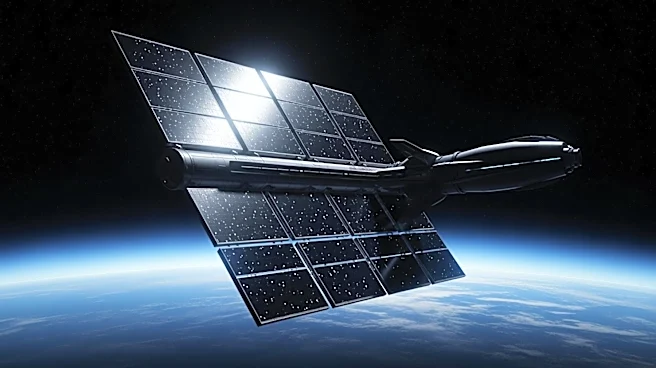
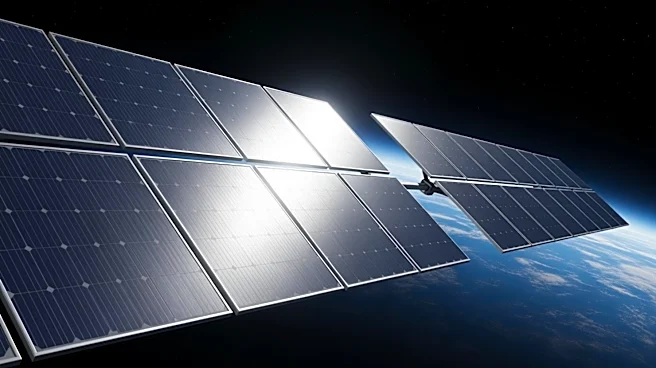
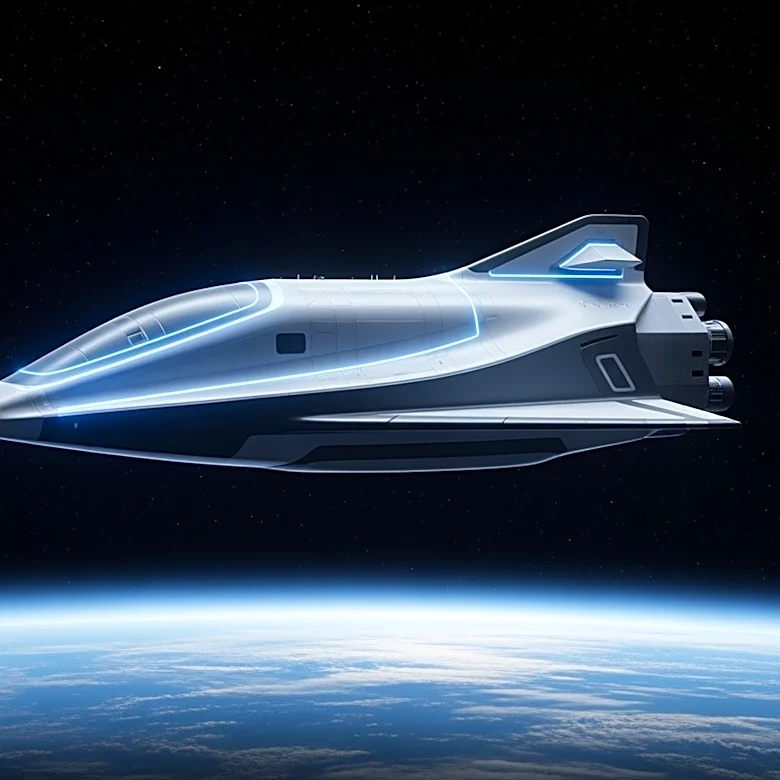
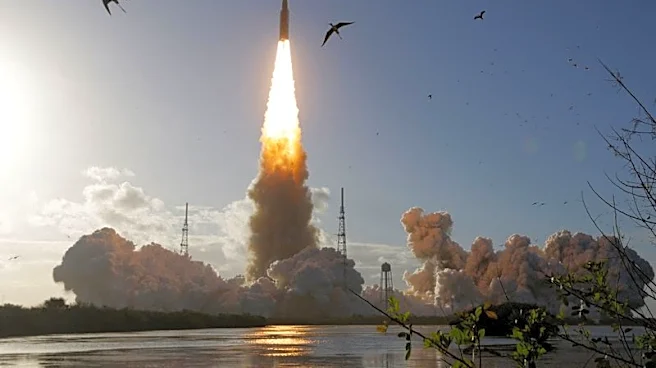
Northrop Grumman's Cygnus XL spacecraft successfully deployed its two UltraFlex solar arrays after launching on a SpaceX Falcon 9 rocket from Cape Canaveral Space Force Station in Florida. The deployment occurred shortly after the spacecraft's liftoff
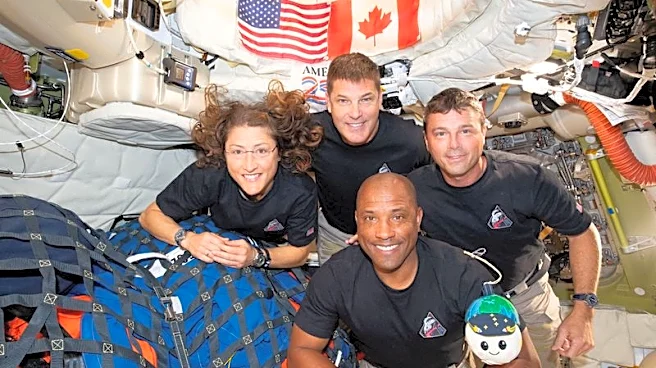
at 7:41 a.m. EDT on April 11, 2026, as part of NASA's Northrop Grumman Commercial Resupply Services-24 mission. The solar arrays are crucial for powering the spacecraft during its journey to the International Space Station (ISS). NASA astronauts Jack Hathaway and Chris Williams are scheduled to capture Cygnus XL using the station's Canadarm2 robotic arm on April 13, with live coverage available on NASA+, Amazon Prime, and YouTube.
Why It's Important?
The deployment of Cygnus XL's solar arrays is a critical step in ensuring the spacecraft's operational capabilities during its mission to resupply the ISS. The successful deployment highlights the reliability of Northrop Grumman's technology and the effectiveness of commercial partnerships in supporting NASA's objectives. The mission carries essential scientific experiments and supplies that will contribute to ongoing research aboard the ISS, advancing knowledge in areas such as quantum science and biotechnology.
What's Next?
Once captured by the ISS's robotic arm, Cygnus XL will be installed on the Unity module's Earth-facing port, where it will remain until October. During this period, the spacecraft will support various scientific investigations conducted by the Expedition 74/75 crew. After completing its mission, Cygnus XL will depart the ISS, disposing of trash through its re-entry into Earth's atmosphere, where it will burn up harmlessly.