





What's Happening?
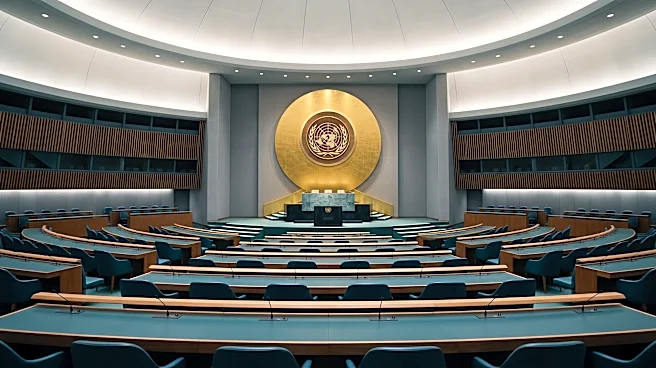
The United States, along with Britain, France, and Germany, is advocating for a resolution by the UN nuclear watchdog's board to refer Iran to the UN Security Council. This would mark the first such referral in 20 years. The move stems from Iran's continued
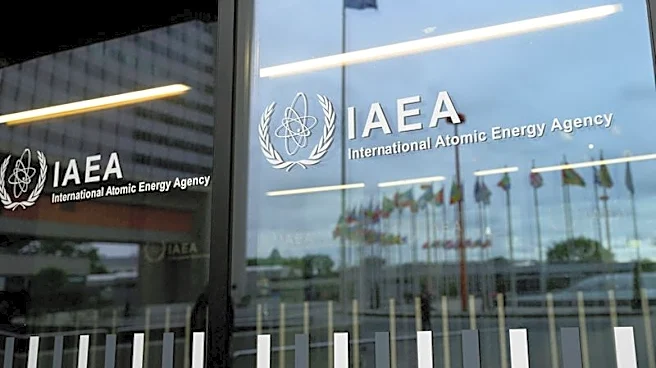
lack of cooperation with an investigation into uranium traces discovered at undeclared sites. The International Atomic Energy Agency (IAEA) board has previously passed two resolutions demanding Iran declare its enriched uranium stocks and grant full access for verification. Iran has not permitted IAEA inspectors to return to bombed sites or verify its enriched uranium stocks, some of which have been enriched to up to 60 percent purity, nearing weapons-grade. Diplomats indicate that while negotiations on the exact wording are ongoing, similar resolutions submitted by these four powers have historically passed. The draft resolution explicitly requests the IAEA Director General to transmit this and previous resolutions to all Agency Members, the Security Council, and the UN General Assembly, reiterating calls for Iran to remedy its non-compliance.
Why It's Important?
This diplomatic escalation signifies a significant increase in international pressure on Iran regarding its nuclear program. A referral to the UN Security Council, even if unlikely to result in immediate concrete action due to potential vetoes from Russia and China, highlights the international community's growing concern over Iran's nuclear activities and its transparency. The IAEA has expressed serious concern over Iran's enrichment to 60 percent purity, noting that the estimated 440.9 kg of uranium enriched to this level could be further enriched for up to 10 nuclear weapons. This situation could further destabilize regional security and complicate ongoing efforts to de-escalate tensions between Iran and the U.S. Iran's past responses to IAEA resolutions have often involved escalating its nuclear activities or reducing cooperation, though its current options are reportedly limited. The standoff also has broader implications for the nuclear Non-Proliferation Treaty (NPT) regime, as Iran is the only country to enrich to such high levels without producing a weapon.
What's Next?
The IAEA's 35-nation board is expected to vote on the resolution next week. If passed, the resolution will formally report Iran to the UN Security Council. However, concrete action by the Security Council against Iran is considered unlikely, as Tehran's allies, Russia and China, hold veto power as permanent members. Iran has historically responded to such resolutions by escalating its nuclear activities or reducing cooperation with the IAEA, though its current options for such retaliation are reportedly limited. The long-term repercussions on Tehran's conflict with the U.S. remain unclear. The international community will closely monitor Iran's reaction and any subsequent moves by the Security Council, even if largely symbolic. The ongoing diplomatic efforts aim to compel Iran to comply with its non-proliferation obligations and provide full transparency regarding its nuclear program.
Beyond the Headlines
The push to report Iran to the UN Security Council underscores a deeper challenge in international nuclear non-proliferation efforts. While Iran maintains its right to develop nuclear technology for peaceful purposes under the NPT, its actions, particularly the high level of uranium enrichment and lack of full cooperation with IAEA inspections, raise significant questions about its intentions. This situation highlights the limitations of international oversight when a state is perceived to be non-compliant, especially when geopolitical alliances complicate enforcement mechanisms. The potential for Iran to further advance its nuclear capabilities could trigger a regional arms race, as other nations might feel compelled to develop their own nuclear programs for security. The ongoing standoff also tests the effectiveness of multilateral diplomacy and the credibility of international institutions like the IAEA and the UN Security Council in managing nuclear proliferation risks.