








What's Happening?
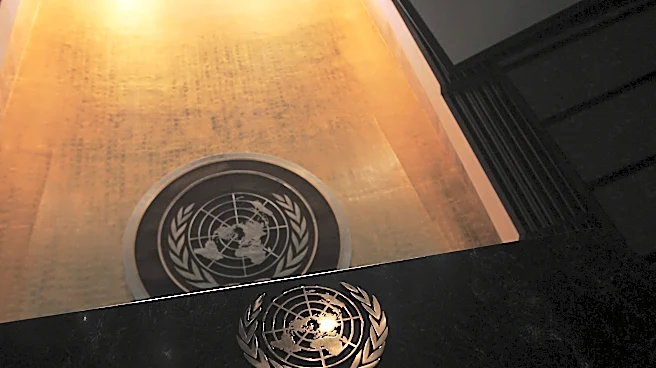
At a United Nations celebration honoring the life of media mogul and CNN founder Ted Turner, Anderson Cooper delivered a video tribute highlighting Turner's significant philanthropic contributions. Cooper specifically lauded Turner's decision to donate
$1 billion to the U.N., noting that such a gesture was not necessarily popular in America but demonstrated Turner's commitment to global causes regardless of public opinion. Turner's daughter, Laura Turner Seydel, revealed that her father was inspired by a Mississippi washerwoman's $150,000 donation for scholarships, prompting him to make his historic gift to the U.N. in September 1997. This donation, the largest individual gift at the time, led to the establishment of the United Nations Foundation, which has since garnered an additional $3 billion in matching donations. The event also featured tributes from other CNN figures like Wolf Blitzer and Christiane Amanpour, who emphasized Turner's dedication to a global perspective and community.
Why It's Important?
Ted Turner's $1 billion donation to the United Nations, as highlighted by Anderson Cooper, underscores the profound impact that individual philanthropy can have on global initiatives. This act of generosity established the United Nations Foundation, a crucial entity that allows private citizens and organizations to contribute to U.N. causes, bypassing the U.N.'s inability to directly accept funds from individuals. This model has since attracted billions more in donations, significantly bolstering the U.N.'s efforts in areas such as health, environmental protection, and global disarmament. Turner's vision, as praised by Cooper, demonstrated a belief in multilateralism and global cooperation at a time when such ideals might not have been universally embraced, setting a precedent for large-scale private sector engagement in international development and humanitarian efforts. His legacy continues to influence how private wealth can be leveraged for public good on a global scale.
What's Next?
The celebration of Ted Turner's life and his philanthropic legacy, as underscored by Anderson Cooper's remarks, serves as a reminder of the ongoing need for private support in global initiatives. Moving forward, the United Nations Foundation, born from Turner's initial donation, will likely continue its mission to connect people and organizations with the U.N.'s work, seeking further partnerships and funding to address pressing global challenges. The event itself, with its emphasis on Turner's vision for a more peaceful and cooperative world, may inspire other philanthropists and leaders to consider similar large-scale commitments to international organizations. As global challenges persist, the model of private-public partnerships championed by Turner and facilitated by the Foundation will remain a critical avenue for resource mobilization and impact.
Beyond the Headlines
Beyond the immediate recognition of Ted Turner's generosity, Anderson Cooper's tribute touches upon a deeper narrative about the role of private citizens in shaping international policy and humanitarian efforts. Turner's willingness to commit substantial personal wealth to the U.N., even when it was not a popular stance, highlights a conviction that transcends national interests and political expediency. This act challenges the traditional view that international relations are solely the domain of governments, demonstrating the power of individual vision and resources to drive global change. It also raises questions about the ethical responsibilities of wealth and the potential for private philanthropy to either complement or, at times, even influence the direction of international governance and development agendas. Turner's legacy, as celebrated, suggests a model where private capital can be a powerful force for global good, fostering cooperation and addressing issues that transcend national borders.