




What's Happening?
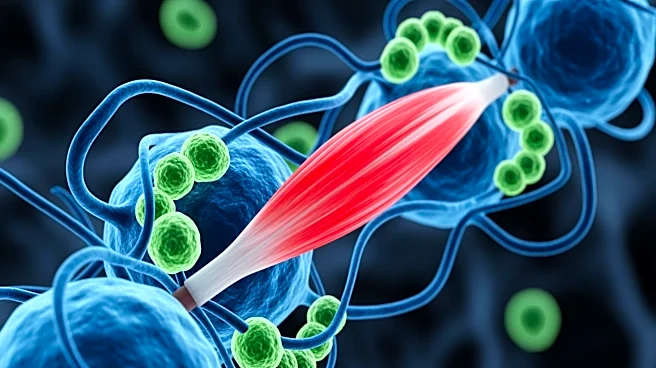
A recent study published in Cell has revealed a surprising role for B cells, a type of immune cell, in enhancing exercise endurance and muscle strength. Traditionally known for their role in identifying and targeting harmful pathogens, B cells have now been
found to support muscles during physical activity. The research, led by Peng Jiang from Tsinghua University, involved experiments on mice that were genetically modified to have a low B-cell count. These mice were tested for endurance on a treadmill, with results showing a significant impact on their exercise performance. The study also involved treating another group of mice with an antibody therapy that targets cancer-causing B cells, further confirming the role of B cells in exercise metabolism. This discovery marks a significant conceptual advance in understanding the non-immune functions of B cells, as noted by Carolin Daniel from the Helmholtz Munich Institute for Metabolism and Immunology.
Why It's Important?
The findings of this study could have significant implications for the fields of immunology and exercise physiology. By uncovering a new function of B cells, researchers may be able to develop novel strategies to enhance physical performance and muscle strength, potentially benefiting athletes and individuals with muscle-wasting conditions. Additionally, this research could lead to new therapeutic approaches that leverage the immune system to improve metabolic health. Understanding the link between the immune system and exercise could also provide insights into how to better manage conditions like obesity and diabetes, where metabolism plays a crucial role. The study opens up new avenues for research into the multifaceted roles of immune cells beyond their traditional functions.
What's Next?
Future research is likely to focus on further elucidating the mechanisms by which B cells influence muscle function and endurance. Scientists may explore the potential for developing targeted therapies that can modulate B cell activity to enhance physical performance. Additionally, there may be interest in investigating whether similar mechanisms are present in humans and how they can be harnessed for therapeutic purposes. The study also raises questions about the broader implications of immune cell functions in other physiological processes, which could lead to a deeper understanding of the immune system's role in overall health and disease prevention.
Beyond the Headlines
This discovery challenges the traditional view of immune cells as solely defenders against pathogens, highlighting their potential roles in other bodily functions. It underscores the complexity of the immune system and its integration with other physiological systems. The study may prompt a reevaluation of how immune cells are studied and understood, potentially leading to a paradigm shift in immunology. Furthermore, it raises ethical considerations regarding the manipulation of immune cells for non-traditional purposes, such as enhancing athletic performance, which could have implications for sports ethics and regulations.