





What's Happening?
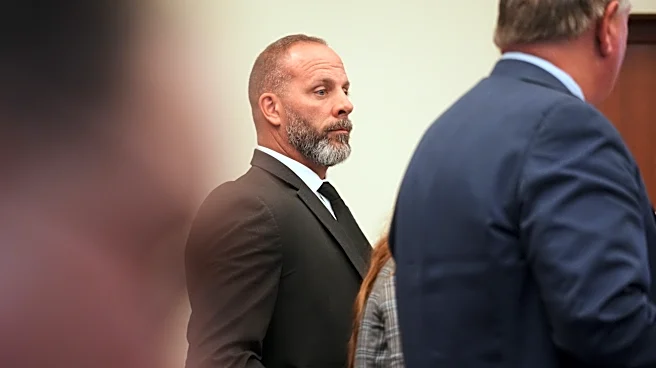
The Kane County State’s Attorney’s Office announced that no criminal charges will be filed against the Aurora police officers involved in the fatal shooting of Christopher Lepe in 2025. The decision follows an independent review which concluded that the officers had
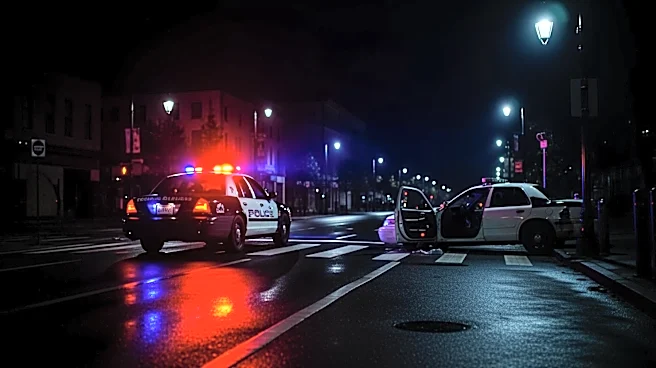
a 'reasonable belief' that the use of deadly force was necessary to prevent harm to themselves and others. The incident began when a Geneva police officer identified a suspicious vehicle linked to reports of BB gun shootings. The officer found Lepe with an open alcohol container and attempted to stop him, resulting in the officer being injured. A pursuit ensued, ending with the use of spike strips. Lepe, armed with what appeared to be an AR-15-style rifle, was shot by officers after he allegedly pointed the weapon at them. It was later identified as an air gun. The investigation, required by state law, found no unlawful acts by the officers, and the case is now closed.
Why It's Important?
This decision underscores the complexities involved in police use-of-force cases, particularly when officers are faced with split-second decisions involving perceived threats. The ruling may impact public trust and perceptions of law enforcement accountability, especially in communities concerned about police conduct. It highlights the ongoing debate over police training and the use of non-lethal weapons. The case also raises questions about the effectiveness of current protocols in distinguishing real threats from perceived ones, which could influence future policy and training programs aimed at reducing fatal encounters.
What's Next?
With the investigation closed, the Aurora Police Department has expressed a commitment to maintaining professionalism and accountability. However, the community's response to the decision remains to be seen. There may be calls for further review or policy changes to prevent similar incidents. Additionally, the case could prompt discussions on the use of body cameras and other technologies to provide clearer evidence in such situations. Community leaders and civil rights organizations might advocate for increased transparency and reforms in police practices.