




What's Happening?
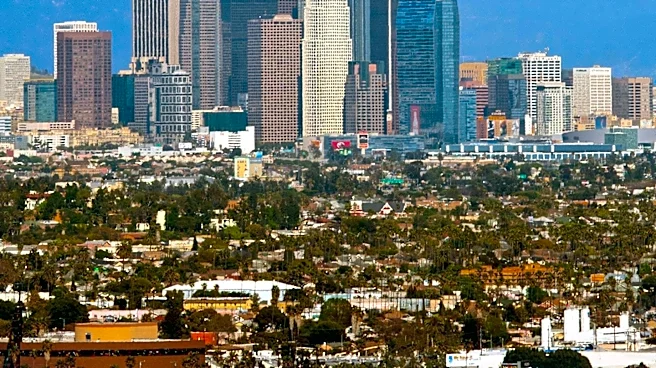
Los Angeles is gearing up for the 2028 Olympics, drawing on the success of its public transit system during the recent World Cup. The city managed to handle increased ridership effectively, with Metro reporting over 212,000 rides on enhanced bus services
during the event. Mayor Karen Bass and Metro Chief Executive Stephanie Wiggins have expressed confidence in the city's ability to manage the upcoming Olympics, despite ongoing challenges. Metro plans to lease additional buses and has requested federal funding to support the effort. However, concerns remain about the city's ability to complete necessary infrastructure projects in time.
Why It's Important?
The successful management of public transit during the World Cup serves as a critical test for Los Angeles as it prepares for the 2028 Olympics. Efficient transportation is essential for the success of such large-scale events, impacting the city's reputation and economic benefits. The ability to handle increased ridership will be crucial, as the Olympics are expected to draw millions of visitors. The city's efforts to secure additional resources and funding highlight the importance of federal support in achieving these goals. The outcome of these preparations will have long-term implications for Los Angeles' public transit infrastructure and its ability to host future events.
What's Next?
Los Angeles will continue to work on completing infrastructure projects and securing additional resources ahead of the 2028 Olympics. Metro's plans to lease more buses and improve transit services will be closely monitored. The city will also need to address potential challenges, such as parking and security, to ensure a smooth experience for visitors. The success of these efforts will depend on collaboration between local and federal agencies, as well as the ability to implement sustainable transit solutions that benefit residents beyond the Olympics.