

What's Happening?
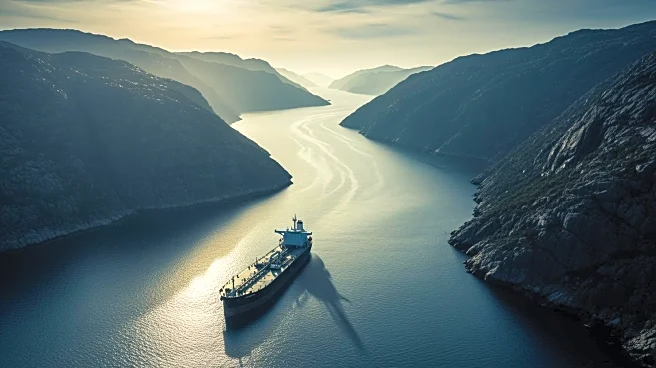
The aviation industry is on the brink of a significant jet fuel shortage due to the escalating conflict in Iran, which has led to the effective closure of the Strait of Hormuz. This strategic chokepoint is crucial as it supplies nearly 20% of the world's
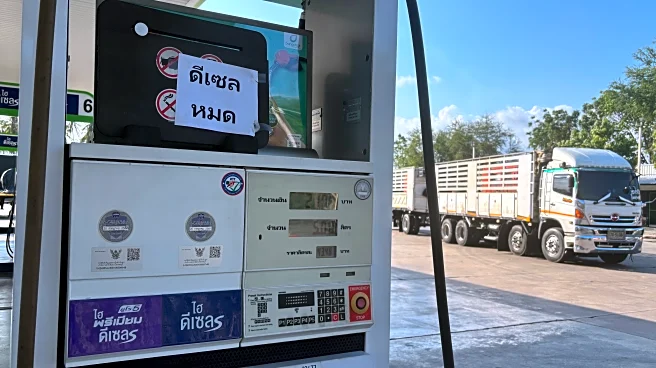
oil. As a result, major international hubs, particularly in Europe and the UK, are preparing for a potential 'no-fuel' scenario. Jet fuel prices in Europe have surged by over 100% in three weeks, and suppliers are unable to guarantee fuel availability beyond a few days. The International Air Transport Association (IATA) has warned that European jet fuel security is precariously balanced on minimal commercial inventory. The shortage is already causing disruptions, with over 1,000 domestic flights canceled in Scandinavia and Vietnam cutting its domestic flight network. Air France has identified its Asian routes as high-risk, with no assurances of refueling capabilities for return journeys.
Why It's Important?
The impending jet fuel shortage poses a significant threat to global aviation, potentially leading to widespread flight cancellations and disruptions. This situation could severely impact international travel and trade, affecting airlines' operational capabilities and financial stability. The shortage highlights the vulnerability of global supply chains to geopolitical tensions, particularly in regions critical to energy supply. Airlines may face increased operational costs due to rising fuel prices, which could be passed on to consumers through higher ticket prices. The situation underscores the need for diversified energy sources and more resilient supply chains to mitigate such risks in the future.
What's Next?
Airlines and governments are likely to seek alternative fuel sources and routes to mitigate the impact of the shortage. There may be increased diplomatic efforts to resolve the conflict in Iran and reopen the Strait of Hormuz. Airlines might also explore fuel-saving measures and adjust flight schedules to conserve existing fuel supplies. The situation could prompt a reevaluation of energy policies and strategies to enhance energy security and reduce dependency on vulnerable supply routes.