



What's Happening?
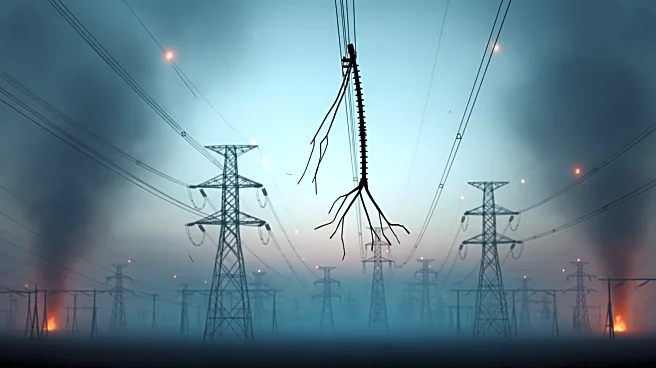
As of January 25, 2026, Russia has launched a significant attack on Ukraine's major cities, Kyiv and Kharkiv, resulting in power outages for 1.2 million buildings nationwide. This escalation comes amid ongoing peace talks in Abu Dhabi involving U.S.,
Russian, and Ukrainian negotiators. The attacks have left many Ukrainians without heating in freezing temperatures, with the Ukrainian foreign minister condemning the violence as 'cynical.' Analysts suggest that the timing of these strikes is intended to influence the peace negotiations by demonstrating Russia's military capabilities and pressuring the U.S. to encourage Ukraine to make territorial concessions. Despite the severe conditions, the Ukrainian public remains resolute against making such concessions.
Why It's Important?
The intensification of Russian attacks during peace talks highlights the complex dynamics of international diplomacy and conflict resolution. The situation underscores the challenges faced by negotiators in reaching a peaceful settlement while active hostilities continue. The humanitarian impact is significant, with millions of Ukrainians enduring harsh winter conditions without basic utilities. This development could strain international relations further, particularly between the U.S. and Russia, and may influence future U.S. foreign policy decisions regarding support for Ukraine. The resilience of the Ukrainian public and government in the face of aggression could also impact the negotiation outcomes and international support dynamics.
What's Next?
The continuation of peace talks is uncertain, with potential for further negotiations as early as next week. The international community, including the U.S., may need to reassess their strategies and support mechanisms for Ukraine in light of the ongoing attacks. The humanitarian crisis could prompt increased international aid and intervention efforts. Additionally, the outcome of these talks could set a precedent for future conflict resolution efforts in the region, influencing geopolitical stability and alliances.
Beyond the Headlines
The attacks raise ethical and legal questions regarding the targeting of civilian infrastructure, which is considered a breach of international warfare rules. This could lead to calls for accountability and potential legal actions against those responsible. The situation also highlights the resilience and determination of the Ukrainian people, which may inspire similar resistance movements in other conflict zones. Long-term, the conflict could reshape regional power dynamics and influence global energy and security policies.