



What's Happening?
A United Nations expert, Marcos Orellana, has raised concerns about the environmental impact of U.S. waste being exported to Mexico, leading to what he describes as a 'toxic crisis.' Orellana, who serves as the UN special rapporteur on toxics and human
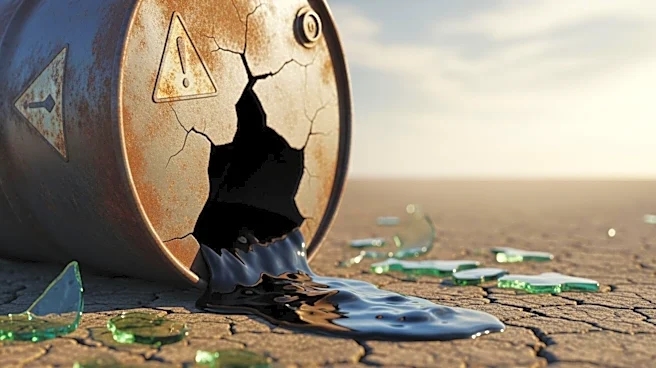
rights, conducted an 11-day investigation in Mexico, uncovering significant pollution issues attributed to lax environmental standards and oversight. He highlighted that Mexico has become a 'garbage sink' for the U.S., with hazardous waste imports exacerbating pollution problems. The investigation revealed over 1,000 contaminated sites in Mexico, many of which are considered 'sacrifice zones' where severe health issues like cancer and miscarriages are prevalent. Orellana's findings point to industrial activities, such as factories discharging waste into rivers and large-scale pig farms contaminating water supplies, as major contributors to the crisis.
Why It's Important?
The situation underscores the broader implications of international waste management practices and their impact on public health and environmental justice. The influx of U.S. waste into Mexico not only poses significant health risks to local communities but also highlights the disparities in environmental regulations between countries. This issue raises questions about the responsibilities of developed nations in managing their waste and the ethical considerations of exporting environmental burdens to less regulated regions. The findings could influence future trade agreements and environmental policies, particularly the upcoming review of the free trade agreement between Mexico, the U.S., and Canada, which presents an opportunity to enforce stricter environmental standards.
What's Next?
In response to the findings, there are calls for Mexico to adopt stricter regulations on hazardous waste imports. Mexican Senator Waldo Fernández has proposed legislation to regulate waste imports more rigorously, aiming to prevent Mexico from becoming a dumping ground for international waste. Additionally, Mexico's federal attorney for environmental protection, Mariana Boy Tamborrell, announced plans to update regulatory standards and implement a new air monitoring system to better track industrial emissions. These measures, along with potential revisions to the free trade agreement, could lead to significant changes in how waste is managed and environmental standards are enforced in the region.