
What's Happening?
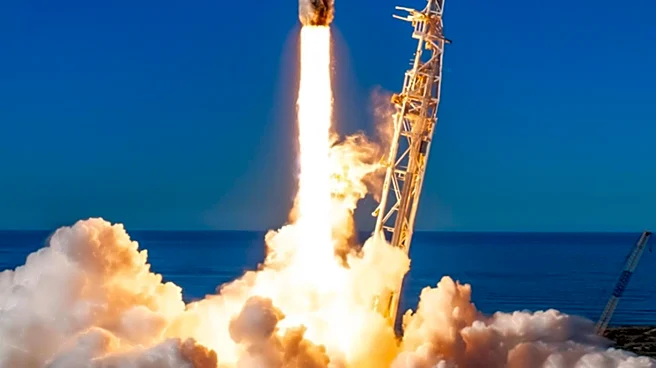
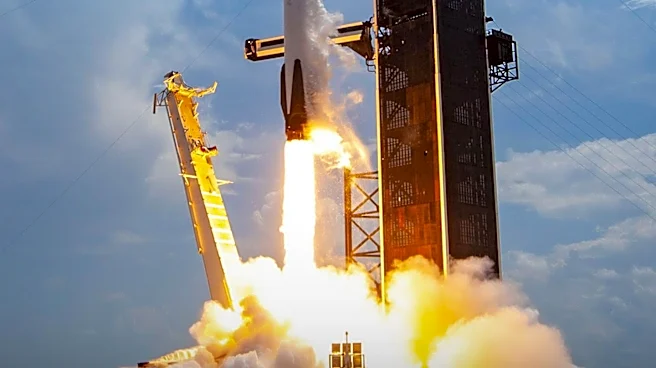
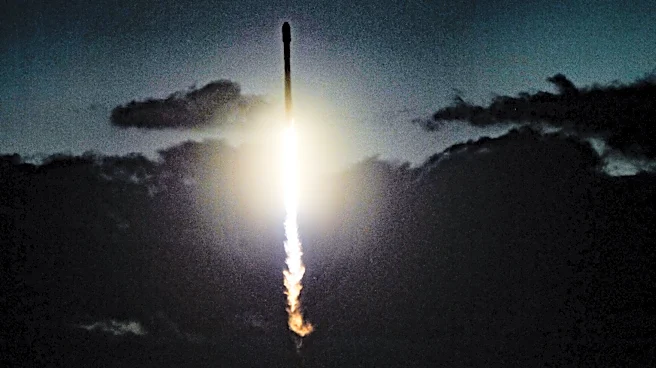
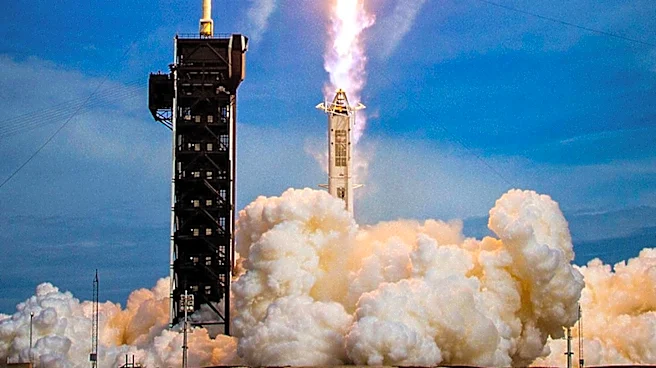
SpaceX successfully launched the classified USSF-432 mission for the U.S. Space Force aboard a Falcon 9 rocket from Vandenberg Space Force Base in California on November 7. The mission, also designated
R-4, carried an undisclosed payload into orbit. Neither SpaceX nor the Space Force has released specific details about the spacecraft's identity, capabilities, or exact mission objectives. However, analysts suspect the mission is linked to the military's Space Based Sensing and Targeting portfolio, a program designed to enhance the military's ability to gather information and support operations from space. The payload is believed by some to potentially include satellites based on SpaceX's Starshield platform, which is a specialized version of its commercial Starlink network tailored for government and national security clients, offering secure communications and Earth observation capabilities. The Falcon 9's first-stage booster, B1095, successfully landed on the 'Of Course I Still Love You' droneship in the Pacific Ocean, marking its eighth flight.
Why It's Important?
This classified launch underscores the ongoing efforts by the U.S. Space Force to bolster its orbital capabilities for national security. The suspected connection to the Space Based Sensing and Targeting program indicates a focus on improving intelligence gathering, surveillance, and reconnaissance (ISR) from space, which is critical for maintaining situational awareness and supporting military operations globally. If the payload indeed involves Starshield satellites, it signifies a growing reliance on commercial space technology adapted for defense purposes, leveraging the scalability and cost-effectiveness of private sector innovations. This trend has significant implications for the U.S. defense industrial base, potentially shifting procurement strategies towards more agile and commercially-derived solutions. The secrecy surrounding the mission also highlights the sensitive nature of these capabilities, reflecting strategic competition in space and the need to protect advanced technologies from adversaries. The successful reuse of the Falcon 9 booster further demonstrates SpaceX's efficiency and reliability in supporting frequent national security launches.
What's Next?
While specific details of the USSF-432 mission remain classified, the U.S. Space Force will continue to integrate these new assets into its broader space architecture. The data and capabilities provided by this mission will likely contribute to ongoing defense programs aimed at enhancing space-based sensing, targeting, and secure communications. SpaceX is expected to continue its role as a key launch provider for national security missions, given its proven track record and reusability technology. Future classified launches are anticipated as the Space Force expands its orbital footprint and upgrades its capabilities. The development and deployment of platforms like Starshield will likely evolve, with continuous improvements in security, resilience, and performance to meet the dynamic demands of national defense. The success of such missions will also inform future policy decisions regarding the balance between commercial and dedicated military space assets.
Beyond the Headlines
The increasing frequency of classified national security launches, particularly those leveraging commercial platforms like Starshield, points to a significant evolution in military space strategy. This approach blurs the lines between commercial and military space, raising questions about the dual-use nature of technologies and the implications for international arms control in space. The reliance on private companies like SpaceX for critical defense infrastructure also highlights the growing importance of public-private partnerships in national security, potentially leading to new regulatory frameworks and security protocols for commercial space operators. The secrecy surrounding these missions, while necessary for operational security, can also fuel speculation and contribute to a perception of an escalating space arms race among global powers. This could prompt other nations to accelerate their own classified space programs, further complicating efforts to establish transparency and confidence-building measures in outer space. The long-term implications include potential shifts in geopolitical power dynamics, driven by advancements in space-based intelligence and communication capabilities.