









What's Happening?
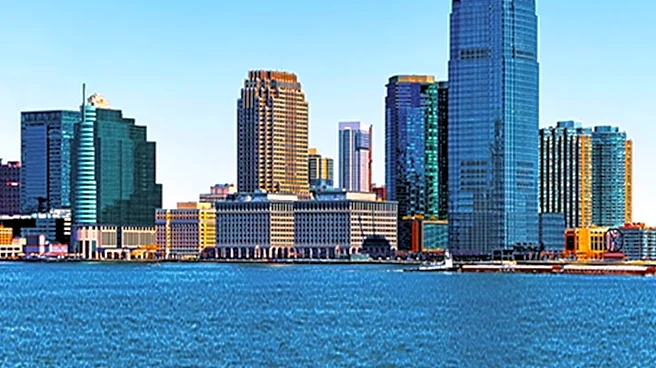
Jersey City is facing a significant financial challenge with a $255 million budget gap. In response, the city's mayor has proposed a substantial 20% increase in taxes as a potential solution to this fiscal shortfall. This proposal comes as a surprise
to many residents who are concerned about the financial burden it may impose. The mayor believes that this tax hike is necessary to maintain essential city services and infrastructure. The proposal is currently under consideration, and it has sparked a debate among city officials and residents about the best way to address the budget deficit without placing undue strain on taxpayers.
Why It's Important?
The proposed tax increase in Jersey City is significant because it highlights the financial pressures that many municipalities face in balancing their budgets. A 20% tax hike could have a considerable impact on residents, particularly those with fixed or lower incomes, potentially leading to increased financial strain. This situation underscores the broader challenges of municipal finance, where cities must find ways to fund essential services while managing budget constraints. The outcome of this proposal could set a precedent for other cities facing similar fiscal challenges, influencing public policy and tax strategies across the region.
What's Next?
As the proposal is debated, city officials and residents will likely engage in discussions to explore alternative solutions to the budget gap. Public hearings and consultations may be held to gather input from the community. The decision on whether to implement the tax hike will depend on the outcome of these discussions and the ability of city officials to find a balanced approach that addresses the budget deficit while considering the financial impact on residents. The situation will be closely monitored by other municipalities as they assess their own fiscal strategies.