




What's Happening?
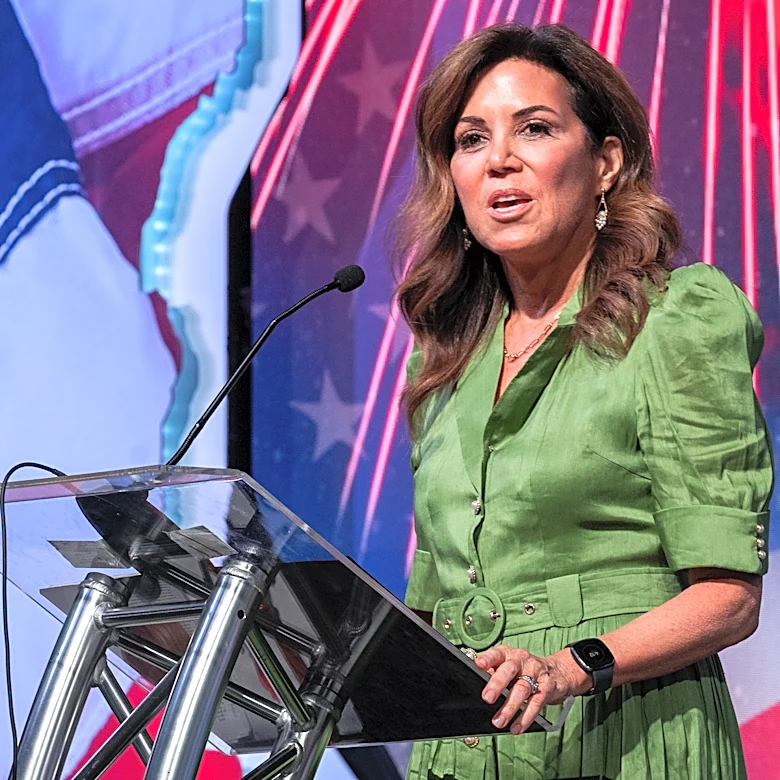
President Trump has nominated Republican Danielle Thumann Severs to the Federal Communications Commission (FCC), potentially giving Republicans a 3-1 majority. This move breaks with the historical norm of maintaining a 3-2 party split on the commission.
The FCC, which has been operating with a 2-1 Republican majority, plays a crucial role in regulating communications and media. Trump's decision not to nominate a Democrat alongside Severs deviates from the tradition of bipartisan nominations, raising concerns about the potential for a Republican supermajority, which is prohibited by law. The nomination must be confirmed by the Senate, where Republicans hold a majority.
Why It's Important?
The composition of the FCC is critical as it influences decisions on media regulation, telecommunications policy, and internet governance. A Republican majority could lead to policy shifts favoring deregulation and conservative media interests. This move could also set a precedent for future administrations, potentially undermining the bipartisan nature of the FCC. The decision highlights the broader political strategy of consolidating power within regulatory bodies, which could have long-term implications for media freedom and competition in the U.S.
What's Next?
The Senate will need to confirm Danielle Thumann Severs' nomination, which is likely given the Republican majority. However, the decision may face legal challenges if it results in a supermajority, violating the Communications Act. The outcome could influence future nominations and the balance of power within the FCC. Stakeholders, including media companies and consumer advocacy groups, will be closely monitoring the situation, as it could impact regulatory policies and industry practices.