






What's Happening?
The European Union is planning to implement a visa ban on Russian soldiers as part of its latest sanctions against Moscow. This proposal is part of the EU's 21st set of measures since Russia's full-scale invasion of Ukraine in February 2022. The sanctions aim
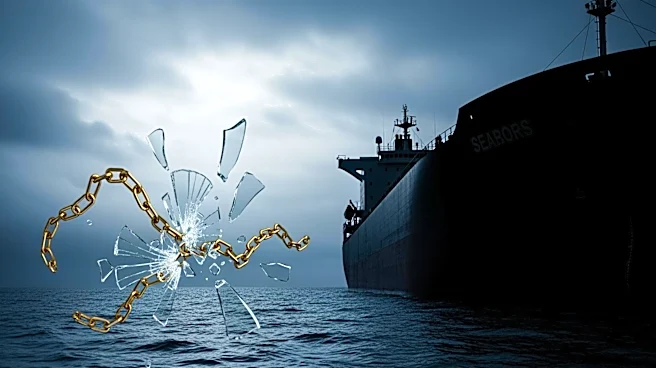
to weaken the economic foundations of Russia's war effort by targeting banks, crypto firms, and the Kremlin's oil revenues. Additionally, the EU plans to maintain a price cap on Russian oil at $44 until January 2027 to prevent the Kremlin from benefiting from rising crude prices. The sanctions also include adding 30 'shadow fleet' vessels to the EU's blacklist and extending restrictions to cryptocurrency firms aiding Russia.
Why It's Important?
The EU's proposed sanctions are significant as they represent a continued effort to apply economic pressure on Russia in response to its actions in Ukraine. By targeting Russian soldiers and economic sectors, the EU aims to disrupt Russia's ability to sustain its military operations. The sanctions could have a substantial impact on Russia's economy, potentially leading to increased financial strain and limiting its capacity to fund the war. Additionally, the measures reflect the EU's commitment to supporting Ukraine and maintaining pressure on Russia to change its course of action.
What's Next?
The proposed sanctions require unanimous approval from all 27 EU member states before they can be implemented. If approved, the sanctions could lead to further diplomatic tensions between the EU and Russia. The EU may also continue to explore additional measures to increase pressure on Russia, while monitoring the effectiveness of the current sanctions. The situation in Ukraine remains a critical focus for the EU, and further developments could influence the bloc's future actions and strategies.