





What's Happening?
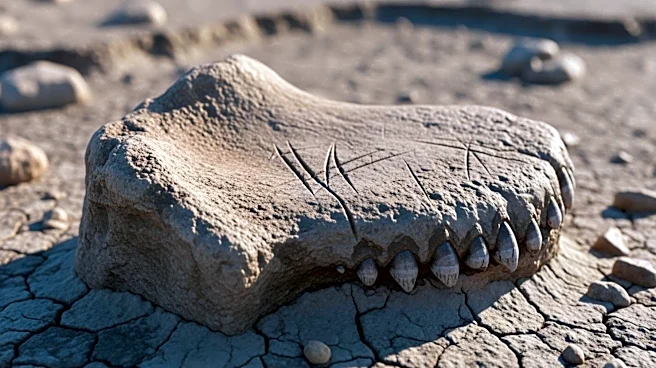
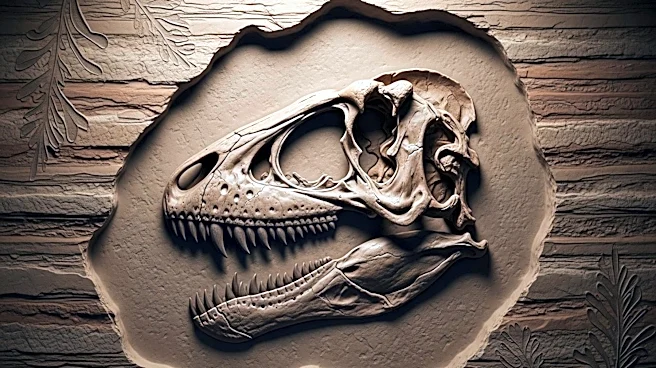
Researchers at Aarhus University have discovered that some tyrannosaurus species were opportunistic scavengers, feeding on the remains of larger relatives. The study, published in Evolving Earth, analyzed a fossilized foot bone with 16 bite marks, indicating
scavenging behavior. This finding challenges the traditional view of tyrannosaurs as solely apex predators, suggesting they also consumed carcasses down to the last scraps.
Why It's Important?
The study provides new insights into the ecological role of tyrannosaurs, highlighting their adaptability and resourcefulness. This behavior could have played a significant role in their survival, offering a more nuanced understanding of their place in the Cretaceous ecosystem. The research also demonstrates the value of modern techniques in paleontology, allowing for detailed analysis of fossil evidence and enhancing the understanding of dinosaur behavior.