




What's Happening?
The U.S. Senate has passed H.R. 7250, Congressman Troy Downing’s legislation to extend the authorization for the Fort Peck Reservation Rural Water System through 2028. This bill, which previously passed the House, now heads to the President’s desk for signature.
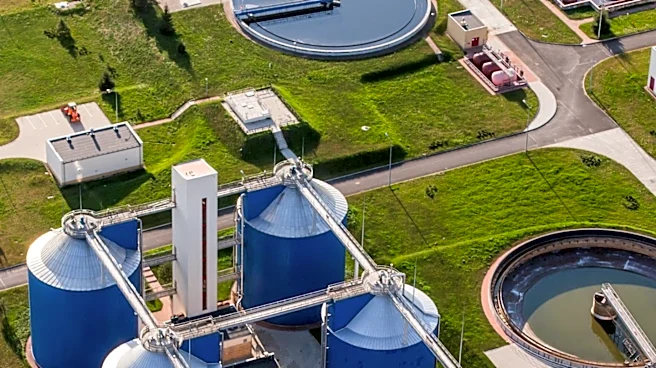
House Committee on Natural Resources Chairman Bruce Westerman praised the passage of H.R. 7250, emphasizing its importance for strengthening water infrastructure in northeastern Montana. The legislation amends the existing authorization, extending its expiration from 2026 to 2028. The Fort Peck Reservation Rural Water System Act of 2000 was established to provide safe and reliable municipal, rural, and industrial water to tribal and non-tribal communities across Roosevelt, Sheridan, Daniels, and Valley counties through two interconnected systems: the Assiniboine and Sioux Rural Water System and the Dry Prairie Rural Water System. H.R. 7250 extends the Bureau of Reclamation’s authority to support the construction of essential water infrastructure in these areas.
Why It's Important?
This bill is crucial for ensuring continued access to clean and reliable water for communities in northeastern Montana, including the Fort Peck Reservation. The extension of authorization through 2028 means that critical water infrastructure projects can continue without interruption, which is vital for public health, agriculture, and economic development in the region. Chairman Westerman highlighted that reliable water infrastructure fosters opportunity and prosperity, directly benefiting families, farmers, and businesses. For tribal communities, this legislation supports essential services and infrastructure development, contributing to their well-being and self-sufficiency. The bipartisan support for this bill, with both the House and Senate passing it, underscores the widespread recognition of the necessity of robust water systems, particularly in rural areas where access to clean water can be a significant challenge. The reauthorization ensures that federal support for these vital projects remains in place, preventing potential disruptions to water supply and infrastructure improvements.
What's Next?
With the passage of H.R. 7250 by both the U.S. House and Senate, the bill now awaits the President’s signature to become law. Once signed, the Bureau of Reclamation’s authority to support the construction of water infrastructure for the Fort Peck Reservation Rural Water System will be extended through December 2028. This will allow ongoing and planned water projects to proceed, ensuring continued access to safe and reliable water for the affected communities in northeastern Montana. The focus will then shift to the implementation of these projects and the effective utilization of the extended authorization period to further strengthen the region's water infrastructure. Stakeholders, including local communities, tribal governments, and federal agencies, will likely continue to collaborate on the planning and execution of these essential water initiatives.
Beyond the Headlines
The reauthorization of the Fort Peck Rural Water System highlights the ongoing challenges and critical importance of water infrastructure in the United States, particularly in rural and tribal areas. Beyond the immediate benefit of clean water access, such legislation reflects a broader commitment to addressing historical inequities and supporting the development of self-sustaining communities. The Fort Peck Reservation, like many tribal lands, has faced unique challenges in infrastructure development, making federal support indispensable. This bill also underscores the complex interplay between federal, state, and tribal governments in managing essential resources. The long-term success of such initiatives depends not only on legislative authorization but also on sustained funding, effective project management, and community engagement to ensure that water systems are resilient, adaptable to climate change, and meet the evolving needs of the population.