






What's Happening?
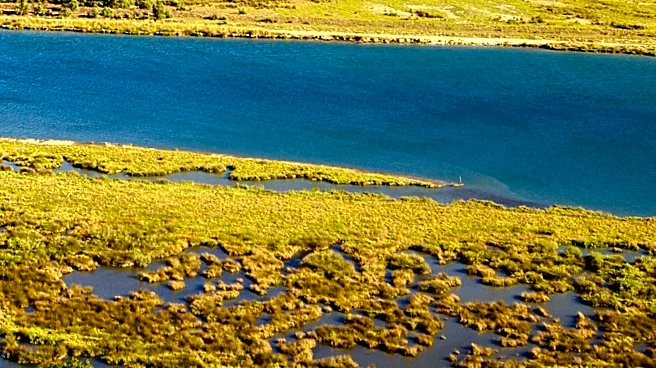
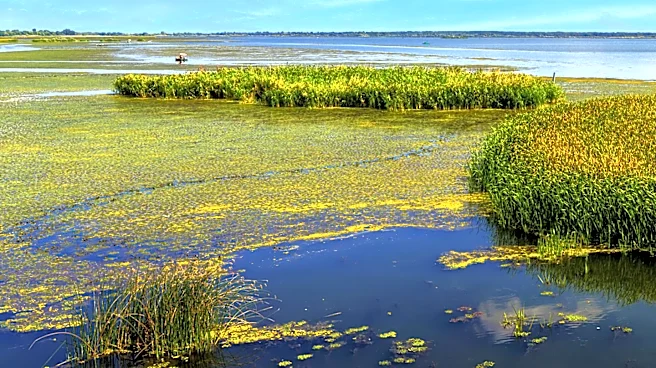
Governor Phil Scott's administration is proceeding with rule changes to facilitate housing development near wetlands in Vermont, despite opposition from lawmakers. The changes, which reduce the buffer zone around wetlands from 50 feet to 25 feet in designated
growth areas, have garnered support from environmental groups that initially threatened legal action. This move follows an executive order by Scott allowing development in unmapped wetlands, which was met with criticism for bypassing legislative processes. The Vermont Natural Resources Council and other environmental organizations have agreed not to challenge the revised rules in court, viewing them as a compromise. The rule changes are set to take effect on August 8, 2026, and will remain in place until the end of 2029.
Why It's Important?
The rule changes are significant as they aim to address Vermont's housing shortage by increasing developable land, potentially adding 2,000 acres for housing. This decision highlights the ongoing tension between development needs and environmental protection. While the administration argues that the changes will reduce urban sprawl and promote denser development, lawmakers and some environmentalists express concerns about the potential impact on wetland ecosystems and flood mitigation. The outcome of this policy could influence future land-use regulations and set a precedent for balancing environmental and housing priorities in Vermont.
What's Next?
The rule changes will be implemented on August 8, 2026, despite legislative disapproval. Homebuilders will need to register with the state for projects within the new buffer zones. The administration's decision may face further scrutiny or legal challenges if the changes lead to significant environmental impacts. Additionally, the agreement with environmental groups includes plans to map more wetlands and streamline the permitting process, which could shape future development policies in Vermont.