





What's Happening?
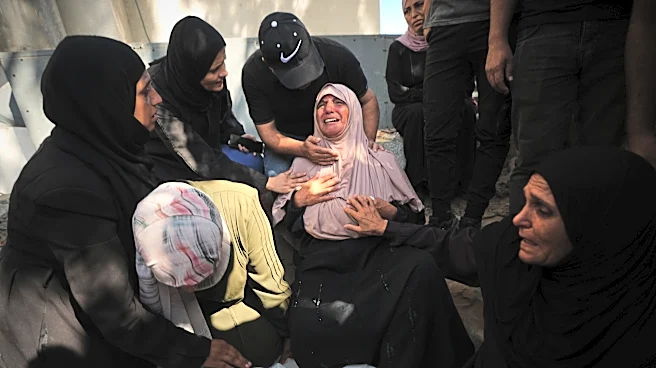
Ninety-four percent of Gaza's 2.1 million residents are in need of shelter due to ongoing Israeli gunfire and strikes, according to UN agencies and peacekeepers. Over four out of five families are experiencing critical or catastrophic living conditions,
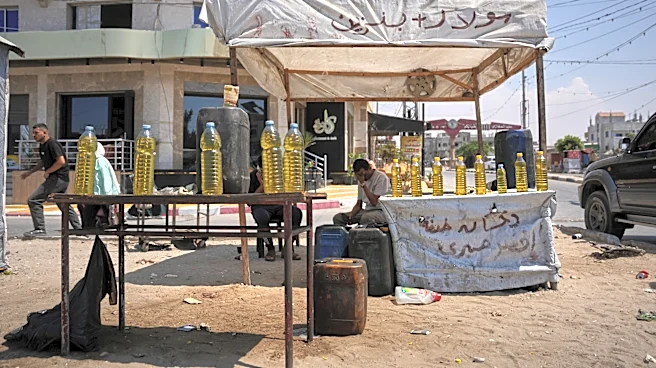
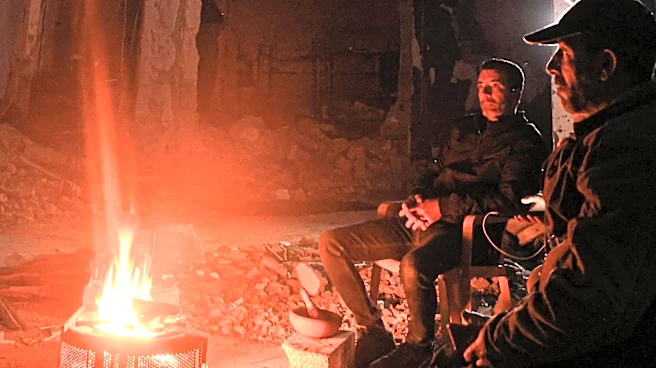
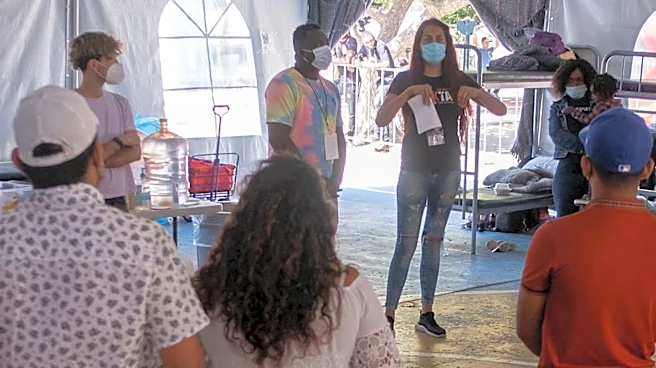
lacking essential items like fuel, energy, and household goods. UN Spokesperson Stéphane Dujarric highlighted that these constraints severely impact basic needs such as sleeping, cooking, washing, and coping with extreme temperatures. Nearly two-thirds of families are living in tents or makeshift shelters, which are rapidly deteriorating in harsh weather conditions as they were designed only for short-term use. The UN aid coordination office (OCHA) reported that over 70% of families experienced flooding last winter, underscoring the urgent need for more structured shelter solutions. Obstacles to aid delivery include funding shortfalls and Israeli restrictions on the entry of materials and equipment, limiting efforts to improve living conditions.
Why It's Important?
The dire shelter crisis in Gaza, affecting nearly all residents, represents a significant humanitarian emergency with profound implications for public health and safety. The widespread lack of adequate housing, coupled with shortages of essential resources, creates an environment ripe for disease outbreaks and further suffering, especially as the cold and rainy season approaches. The UN's report of Israeli restrictions on building materials and equipment directly impedes humanitarian efforts, raising concerns about international humanitarian law and the protection of civilians. The inability to provide safe and durable shelters not only exacerbates immediate hardships but also hinders long-term recovery and stability in the region. The situation underscores the critical need for sustained international funding and unimpeded access for humanitarian aid to prevent a further deterioration of living conditions and to uphold the basic human rights of the Gazan population.
What's Next?
Humanitarian partners are actively working to secure adequate shelter for families ahead of the upcoming cold and rainy season, despite significant challenges. The UN estimates that $562 million is needed for the emergency response, with $165 million specifically requested for the most acute cases, though only a quarter of this funding has been secured. Efforts to remove rubble and retrieve bodies, including those of 50 Palestinians killed over two years ago, remain limited by restrictions on heavy machinery and access to vast areas within the Gaza Strip. The UN continues to advocate for the protection of civilians and civilian infrastructure, emphasizing that civilians should never be targeted or used for military purposes. Ongoing pest control activities, expanded to over 3,250 high-risk sites, are making progress in addressing rodent infestations amid unsanitary conditions, but these are temporary measures in the face of systemic issues.
Beyond the Headlines
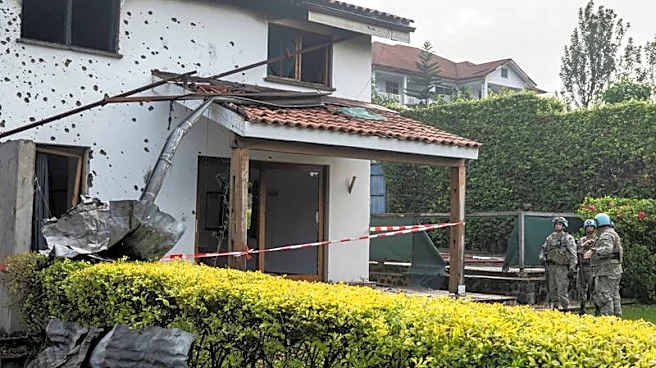
The ongoing shelter crisis in Gaza highlights deeper issues of protracted conflict, displacement, and the challenges of humanitarian intervention in politically charged environments. The restrictions on building materials and equipment not only impact immediate shelter needs but also stifle economic recovery and the ability of the population to rebuild their lives. The reliance on temporary shelters for extended periods can lead to long-term psychological trauma, social instability, and a cycle of dependency. The situation also raises questions about accountability for the destruction of civilian infrastructure and the adherence to international humanitarian law by all parties involved. The international community's response, including funding and diplomatic pressure, will be crucial in determining the future well-being of Gazans and the potential for a more sustainable resolution to the humanitarian crisis.