




What's Happening?
The U.S. has announced that Vice President JD Vance will lead direct negotiations with Iran, despite ongoing conflicts in the Middle East that threaten a fragile ceasefire. The talks are scheduled to take place in Islamabad, with a delegation including
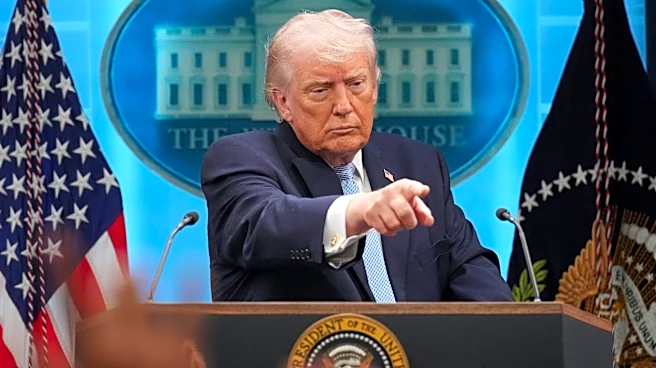
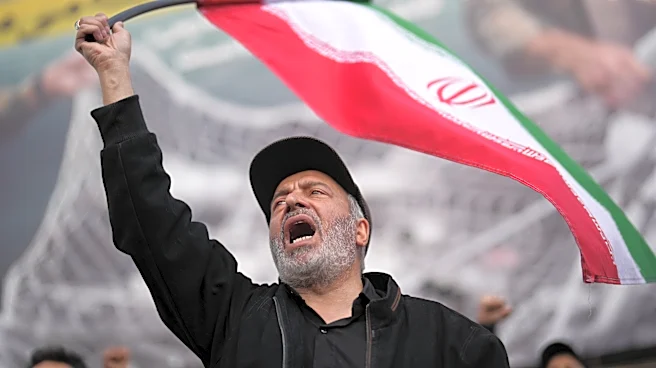
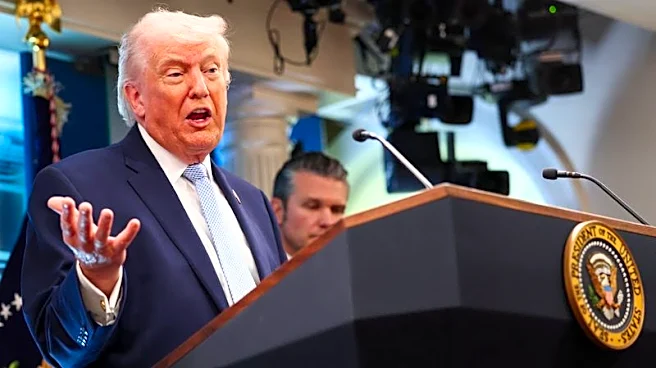
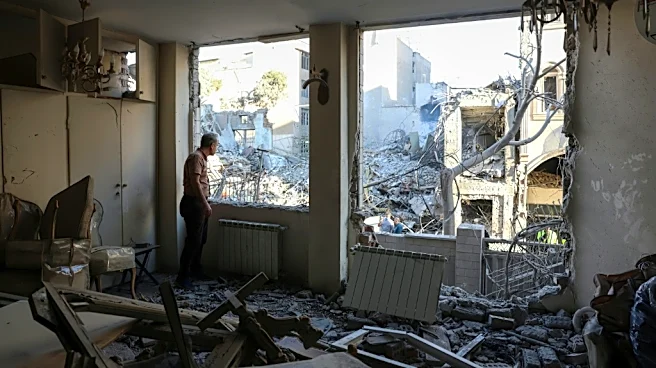
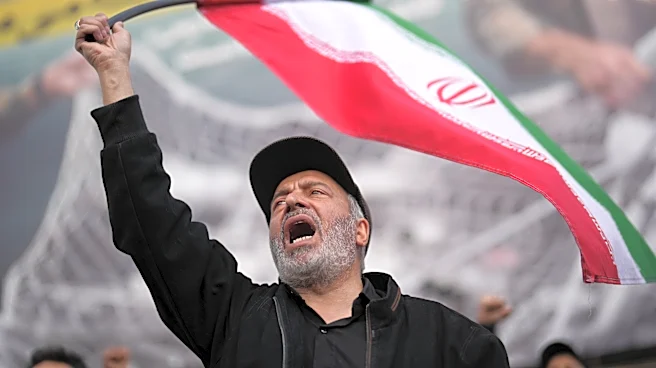
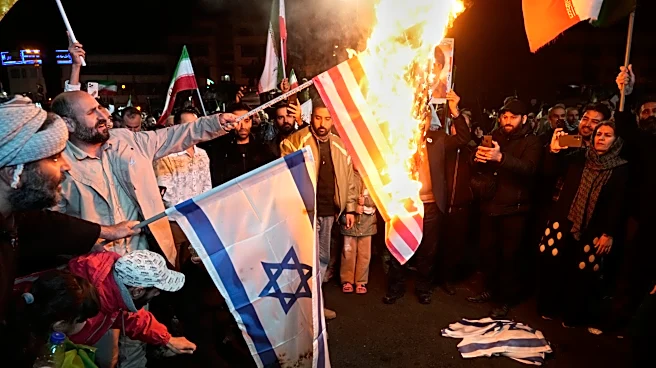
special envoy Steve Witkoff and Jared Kushner. The discussions aim to address the closure of the Strait of Hormuz, a critical condition for the ceasefire. However, continued fighting, including Israeli strikes in Lebanon, has complicated the situation. Iran has accused the U.S. of violating ceasefire terms, citing military actions and restrictions on its nuclear program. President Trump has stated that U.S. military forces will remain in the region until a comprehensive agreement is reached.
Why It's Important?
The negotiations are crucial for stabilizing the Middle East and ensuring the free passage of oil through the Strait of Hormuz, a vital route for global energy supplies. The outcome could significantly impact international relations and economic stability, particularly for countries reliant on Middle Eastern oil. The U.S. aims to prevent further escalation and secure a deal that addresses nuclear proliferation concerns. However, Iran's demands for sanctions relief and control over its nuclear activities pose challenges. The involvement of external actors like Israel and Hezbollah adds complexity, potentially influencing regional power dynamics and U.S. foreign policy.
What's Next?
The success of the negotiations hinges on both parties' willingness to compromise. The U.S. may need to offer sanctions relief or other incentives to secure Iran's cooperation. Meanwhile, continued military actions by Israel or Hezbollah could derail talks. The international community, including China and Europe, may play a role in facilitating dialogue and ensuring compliance with any agreement. Monitoring the situation in the Strait of Hormuz will be critical, as disruptions could affect global oil markets and economic stability.