



What's Happening?
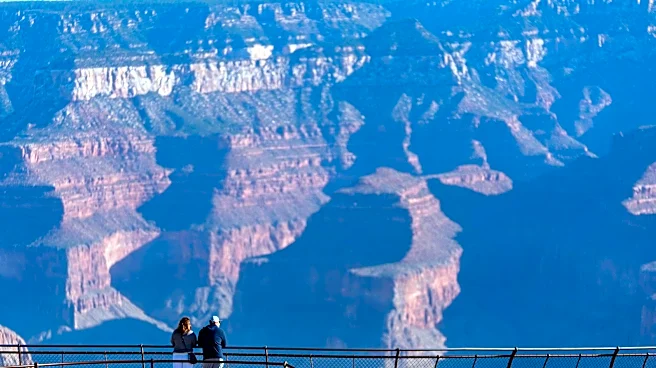
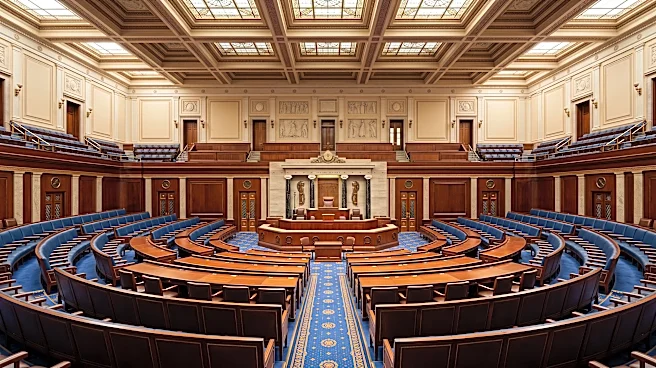
The Senate Committee on Energy and Natural Resources has unanimously advanced the North Rim Restoration Act of 2025, a bill introduced by Rep. Eli Crane (R-AZ). This legislation, designated H.R. 5729, aims to accelerate recovery efforts following the Dragon
Bravo Fire at the North Rim of the Grand Canyon. The House of Representatives previously passed the measure unanimously on March 16, 2026. If enacted, the bill would grant the National Park Service emergency contracting authority, allowing it to bypass bureaucratic delays for fire-related work. This includes forest management, rebuilding, and infrastructure improvements. Rep. Crane has been actively involved in the bill's development, coordinating with park staff, local business owners, concessioners, and elected officials, and recently hosted Secretary of the Interior Doug Burgum at the North Rim.
Why It's Important?
This legislation is crucial for the swift and efficient recovery of the North Rim of the Grand Canyon, a significant natural wonder and economic driver for surrounding communities. By granting emergency contracting authority to the National Park Service, the bill aims to streamline the recovery process, preventing further delays that could exacerbate environmental damage and hinder economic revitalization. The unanimous support in both the House committee and the Senate committee underscores a bipartisan recognition of the urgency and importance of restoring this national treasure. The bill's passage would directly benefit small businesses, gateway communities, and park staff who rely on the full recovery of the area, ensuring that the region can quickly rebound from the devastating Dragon Bravo Fire.
What's Next?
The North Rim Restoration Act of 2025 now moves to the full Senate for consideration. Rep. Crane is actively pushing for its final passage, emphasizing the need to get the bill to the President's desk before the current congressional session concludes, to avoid having to restart the legislative process. If the Senate approves the bill, it will then be sent to the President for signature into law. The swift action by the Senate is anticipated, given the unanimous committee vote and the bipartisan support the bill has received thus far. Stakeholders, including park staff, local businesses, and residents, are awaiting the final outcome, hoping for rapid relief and restoration efforts.
Beyond the Headlines
The legislative effort highlights the broader challenges faced by national parks and surrounding communities in the wake of natural disasters, particularly large-scale wildfires. The bill's focus on emergency contracting authority points to systemic issues within government bureaucracy that can impede timely disaster response and recovery. By creating a mechanism to cut through 'red tape,' the legislation could serve as a precedent or model for future disaster relief efforts in other national parks or federally managed lands. It also underscores the critical role of local engagement and coordination between federal lawmakers, park officials, and community stakeholders in crafting effective and responsive policy for environmental protection and economic resilience.