

What's Happening?
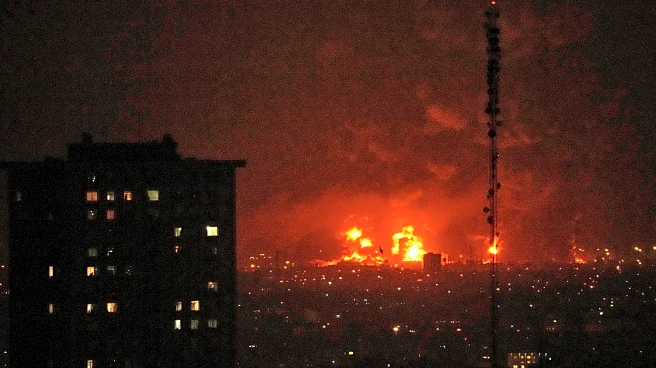
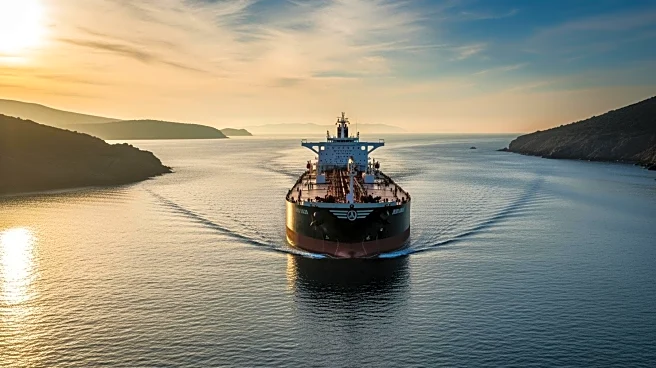
A Greek-operated oil tanker, the Shenlong Suezmax, successfully navigated the Strait of Hormuz, carrying Saudi Arabian crude oil to India. This passage occurs amidst heightened tensions due to the ongoing U.S.-Israel conflict with Iran. The Strait of Hormuz is a critical
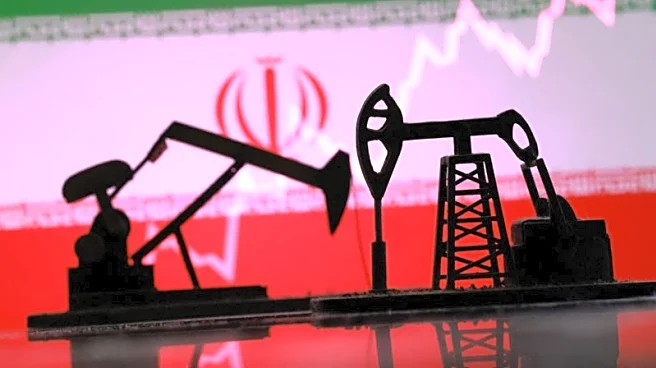
chokepoint for global oil transit, handling a significant portion of the world's crude oil and liquefied natural gas flows. Despite threats from Iran's Revolutionary Guards to close the strait and fire on any passing ships, commercial vessels continue to attempt navigation through this vital corridor. The situation has led to a surge in oil prices, reaching levels not seen since mid-2022, as markets react to potential disruptions in oil supply.
Why It's Important?
The safe passage of the Shenlong Suezmax through the Strait of Hormuz highlights the ongoing risks and challenges faced by the global shipping industry in navigating geopolitical tensions. The strait's closure or restricted access could have severe implications for global oil supply and prices, affecting economies worldwide. The situation underscores the strategic importance of the Strait of Hormuz and the potential for conflict to disrupt international trade. The International Maritime Organization has called for respect for the freedom of navigation, emphasizing the need for stability in this critical region. The incident also reflects the broader geopolitical dynamics in the Middle East, with potential impacts on international relations and energy security.
What's Next?
As tensions continue, shipping companies may need to adapt to the evolving security and insurance environment, potentially leading to changes in shipping routes or increased costs. The international community, including the United Nations and major oil-importing countries, may seek diplomatic solutions to ensure the continued flow of oil through the Strait of Hormuz. Monitoring of the situation by maritime analytics specialists and advocacy groups will likely continue, providing insights into shipping patterns and potential disruptions. The outcome of these tensions could influence future policy decisions and international agreements related to maritime security and energy trade.