






What's Happening?
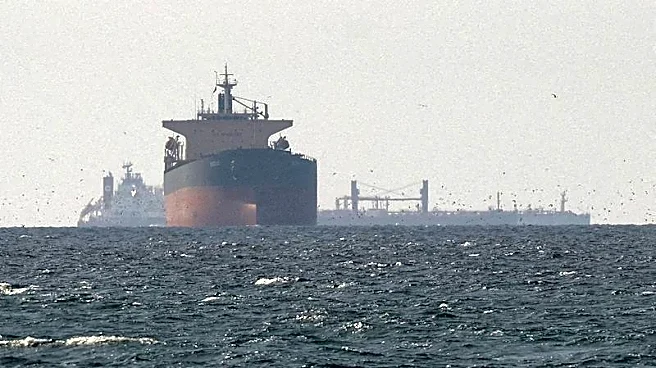
Iran is demanding the right to collect tolls in the Strait of Hormuz as a condition for reopening the waterway, which is crucial for global oil supplies. This proposal comes as part of efforts to end the conflict with the United States and Israel. The
toll collection would violate the principle of freedom of peaceful navigation, a concept enshrined in the United Nations Convention on the Law of the Sea. The strait is a vital passage for 20% of the world's oil shipments. President Trump has prioritized reopening the strait but opposes the tolls. Analysts note that the Gulf's oil producers are also against the tolls. Despite a ceasefire, there has been no significant change in traffic through the strait.
Why It's Important?
The proposal to collect tolls in the Strait of Hormuz could have significant implications for international maritime trade and global oil markets. If implemented, it would set a precedent that could affect other strategic waterways worldwide. The tolls could also strengthen Iran's control over the strait, potentially enriching the country amidst ongoing geopolitical tensions. The global economy, already strained by supply constraints, could face further challenges if the tolls lead to increased oil prices. The situation highlights the delicate balance between geopolitical interests and international trade norms.
What's Next?
The international community, including the United States and Gulf countries, may push back against Iran's toll proposal to maintain free navigation in the Strait of Hormuz. Diplomatic efforts could focus on finding a resolution that ensures the strait remains open without tolls. The outcome of these negotiations will be crucial for global oil markets and international trade. Additionally, the situation may prompt discussions on the broader implications of allowing tolls in strategic waterways, potentially influencing future international maritime policies.