








What's Happening?
Recent developments in the United States have raised concerns about the erosion of protections for people with disabilities. Significant cuts to Medicaid, including new work requirements and more frequent eligibility reviews, threaten the coverage that
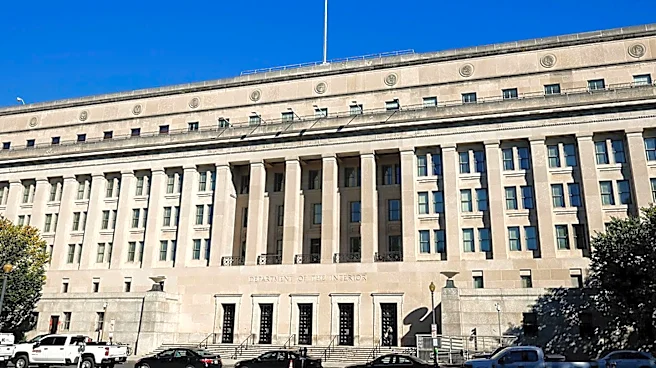
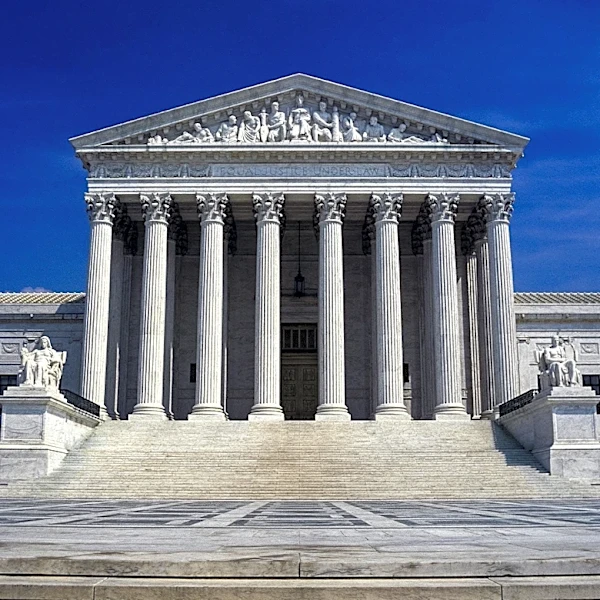
funds essential services like home health aides and personal care attendants. These services are crucial for enabling independent living for millions of Americans with disabilities. Concurrently, proposals to move special education oversight out of the U.S. Department of Education have sparked questions about the future enforcement of protections that allow children with disabilities to learn alongside their peers. Additionally, the Department of Justice has issued a memo challenging the integration mandate, which requires states to provide services that allow people with disabilities to live at home and participate in their communities. This mandate is rooted in the Americans with Disabilities Act and the 1999 Supreme Court decision in Olmstead v. L.C., which deemed unnecessary institutionalization as discriminatory.
Why It's Important?
The potential rollback of disability protections could have widespread implications for American society. More than one in four adults in the U.S. have a disability, and the weakening of these protections could affect anyone, as disability can occur through illness, injury, or aging. The integration mandate and Medicaid-funded services are vital for maintaining the independence and community involvement of people with disabilities. The proposed changes could lead to increased institutionalization, stripping individuals of their autonomy and freedom. Furthermore, the shift in special education oversight could undermine the educational rights of millions of children with disabilities, affecting their ability to receive an inclusive education. These developments highlight a broader trend of policy shifts that could dismantle decades of progress in disability rights.
What's Next?
The ongoing policy changes are likely to face scrutiny and opposition from disability rights advocates, who may seek legal challenges to protect existing rights. Stakeholders, including families, educators, and healthcare providers, are expected to voice their concerns and push for legislative or judicial interventions to safeguard these protections. The outcome of these debates will significantly impact the future of disability rights and services in the U.S., potentially influencing public policy and societal attitudes towards disability inclusion.
Beyond the Headlines
The current situation underscores the interconnectedness of various systems that support disability rights. The erosion of one aspect, such as Medicaid funding, can have cascading effects on other areas like education and community integration. This highlights the need for a holistic approach to policy-making that considers the broader implications of individual changes. The developments also raise ethical questions about the societal responsibility to support vulnerable populations and ensure equal opportunities for all citizens.