





What's Happening?
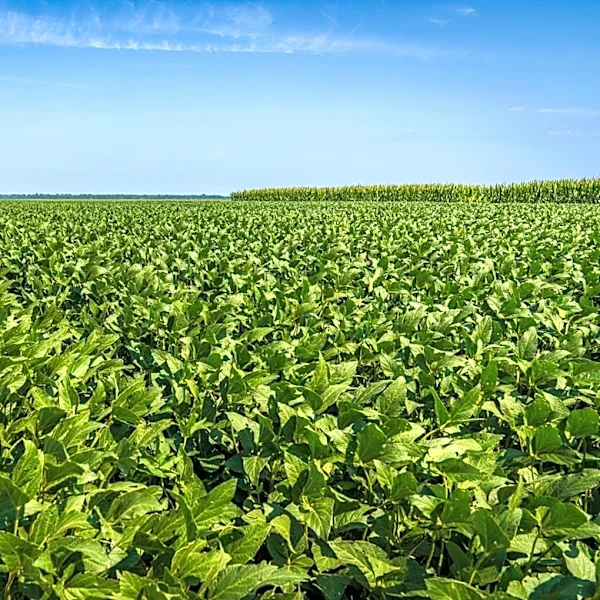
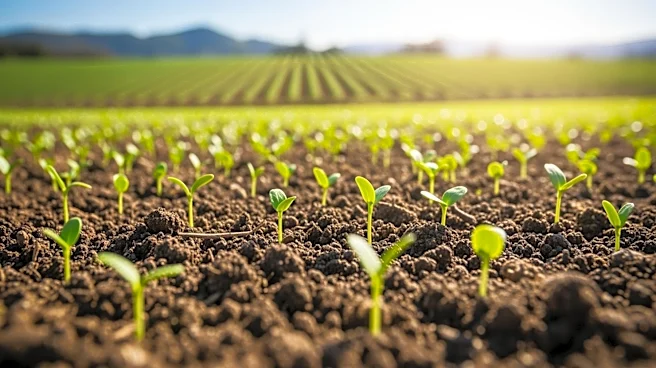
The Hardap region in Namibia is focusing on agriculture and tourism as key drivers of economic growth, according to Governor Riaan McNab. In a recent address, McNab highlighted government investments in farmer support programs, climate resilience initiatives,
and tourism development projects. These efforts aim to improve food security, strengthen farming communities against climate change, and stimulate economic growth. The region has allocated significant funds to support horticulture and poultry value chains, benefiting numerous farmers. Additionally, a Japan-funded resilience project is set to aid drought-affected farmers. In tourism, the region is recovering post-COVID-19, with increased revenue and investments in infrastructure to enhance visitor experiences.
Why It's Important?
The strategic focus on agriculture and tourism is crucial for Hardap's economic resilience and sustainability. By investing in these sectors, the region aims to create jobs, improve food security, and boost local economies. The agricultural initiatives are particularly important in building resilience against climate change, ensuring that farming communities can sustain their livelihoods. Tourism, as a recovering sector, offers significant potential for economic diversification and growth, contributing to conservation efforts and infrastructure development. These investments are expected to unlock further economic opportunities, supporting the sustainable management of natural resources and enhancing the region's economic stability.
What's Next?
The continued investment in agriculture and tourism is likely to yield long-term benefits for the Hardap region. As these sectors grow, they may attract further investment and development, enhancing the region's economic prospects. The success of these initiatives could serve as a model for other regions facing similar challenges, promoting sustainable economic practices. Stakeholders, including local communities, government agencies, and international partners, are expected to collaborate to maximize the impact of these investments. Monitoring and evaluation of these projects will be crucial to ensure they meet their objectives and contribute to the region's overall development goals.